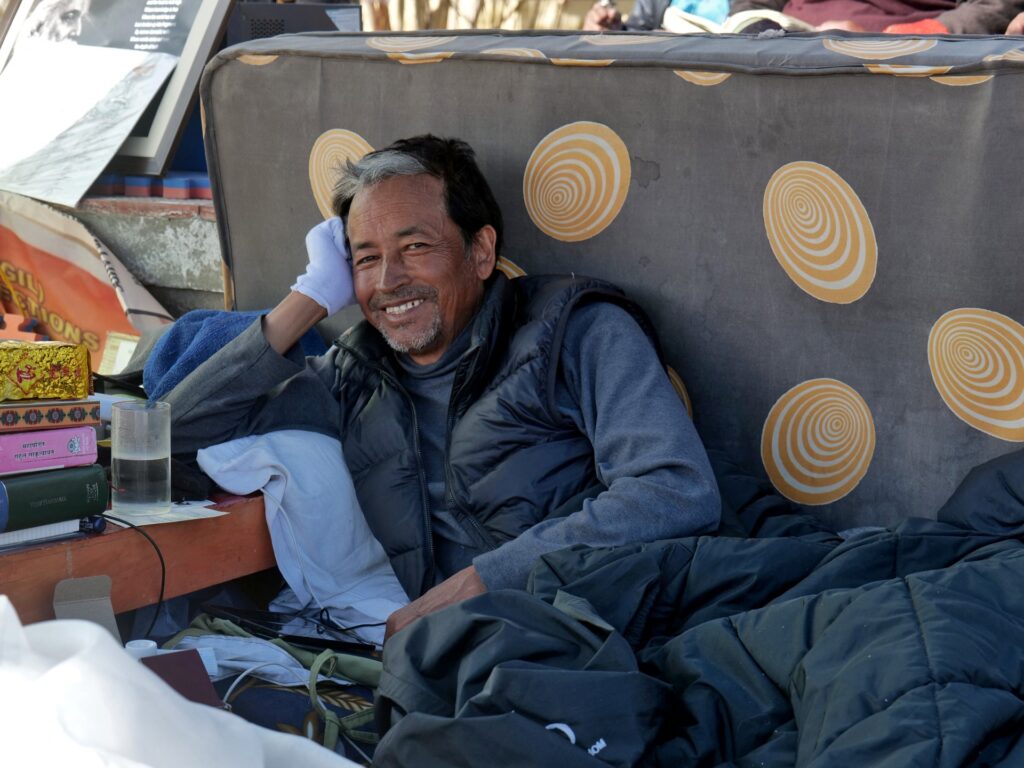
In a significant development, Sonam Wangchuk, a prominent activist from Ladakh, has been released after spending six months behind bars. Wangchuk was imprisoned due to his vocal demands for Ladakh’s full statehood or, alternatively, constitutional protections for the region’s tribal communities. His detention had sparked considerable attention and debate, highlighting the sensitive political landscape of Ladakh.
Sonam Wangchuk, renowned for his activism and efforts to safeguard the interests of Ladakh’s people, had been advocating for greater political recognition and legal safeguards for the tribal populations in the region. His push for full statehood for Ladakh or constitutional guarantees aimed to secure greater autonomy and protection of indigenous rights.
During his incarceration, numerous civil society groups, activists, and human rights organizations voiced concern about his detention, arguing that his demands were legitimate and that his imprisonment was a setback for democratic expression in the region. The case brought to light the ongoing struggles faced by Ladakh’s communities in seeking equitable political representation and cultural preservation.
Wangchuk’s release marks a critical moment in Ladakh’s socio-political discourse. It may pave the way for renewed dialogue between the government and stakeholders in Ladakh concerning the region’s constitutional status and the protection of tribal rights. Observers note that the central government’s stance on Ladakh’s administrative and political setup remains a contentious issue, with various groups advocating for different degrees of autonomy and legal recognition.
The activist himself has expressed hopes that his release will invigorate the movement for Ladakh’s rights and lead to constructive engagement with authorities. He emphasized the importance of peaceful advocacy and the role of constitutional mechanisms in achieving the community’s aspirations.
Ladakh, a strategically significant and culturally distinct region, has witnessed evolving administrative changes in recent years, including the revocation of Jammu and Kashmir’s special status and the reorganization of Ladakh as a union territory. These developments have altered the political dynamics and intensified discussions about statehood and tribal protections.
Sonam Wangchuk’s case underscores the broader theme of identity, governance, and rights in India’s peripheral regions. His activism and subsequent imprisonment highlight both the challenges and the resilience of communities striving for recognition within the country’s federal framework.
As Ladakh continues to navigate its future, the release of Wangchuk is seen as a potential turning point. It may encourage inclusive policy-making that respects the unique cultural and social fabric of the region while balancing national security concerns and administrative imperatives.
The coming months will be crucial in determining how Ladakh’s demands for statehood and constitutional protections are addressed. Stakeholders, including political leaders, civil society, and the central government, will need to engage in dialogue to reconcile differing perspectives and work towards sustainable solutions.
In summary, the release of activist Sonam Wangchuk after six months in jail is a noteworthy event in the ongoing narrative of Ladakh’s quest for political and constitutional recognition. It serves as a reminder of the complexities involved in balancing regional aspirations with national governance, and the importance of protecting the rights of marginalized communities through dialogue and democratic processes.