In the wake of the ongoing conflict involving the US and Israel, Iran has significantly intensified its military activities across the Persian Gulf region. Overnight, multiple strikes were reported targeting several countries, including Saudi Arabia and Qatar, marking a sharp escalation in regional tensions.
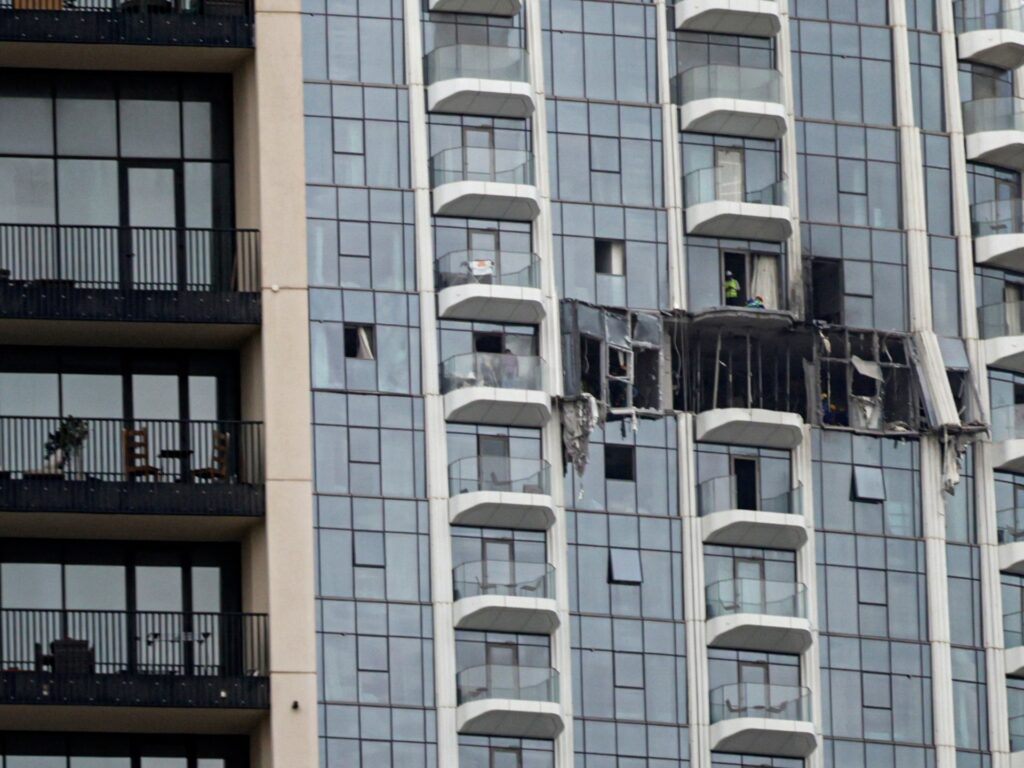
These attacks come as part of escalating retaliatory actions that analysts suggest are linked to the broader geopolitical fallout from the US-Israel war dynamics. The strikes have been varied in nature, involving missile launches and drone attacks aimed at critical infrastructure and strategic targets.
In Saudi Arabia, defenses were put to the test as several missile and drone interceptions were reported by the country’s military forces, successfully neutralizing some threats before they could inflict damage. The Saudi-led coalition confirmed that its defense systems remain operational and vigilant, emphasizing their commitment to national security.
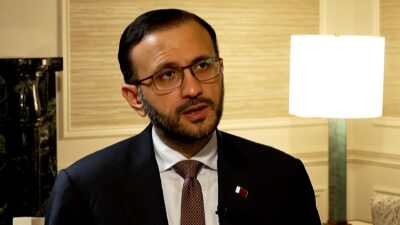
Similarly, Qatar also faced incoming threats with the interception of missiles that were reportedly aimed at key installations. The Qatari government has condemned the assaults and appealed for international support to address the destabilizing actions in the gulf.
The Gulf Cooperation Council (GCC) has convened an emergency meeting to discuss the recent developments and assess collective security measures. Member states have expressed deep concerns over Iran’s increased military operations, which they argue threaten the stability of the Gulf region.
International responses have been mixed. Western countries, including the US and European allies, have decried the violence and urged for restraint and dialogue. Meanwhile, Iran insists that its actions are defensive measures against perceived aggression and attempts to undermine its sovereignty.
The ongoing conflict has further complicated the already volatile geopolitical landscape of the Middle East, with energy markets reacting to fears of a broader conflict affecting oil supplies from the region.
Diplomatic channels remain active, but prospects for de-escalation appear limited amid the heightened rhetoric and continued military engagements.
As the situation develops, neighboring countries and global powers watch closely, with cautious anticipation of potential shifts in alliances and strategic postures in the Gulf and beyond.