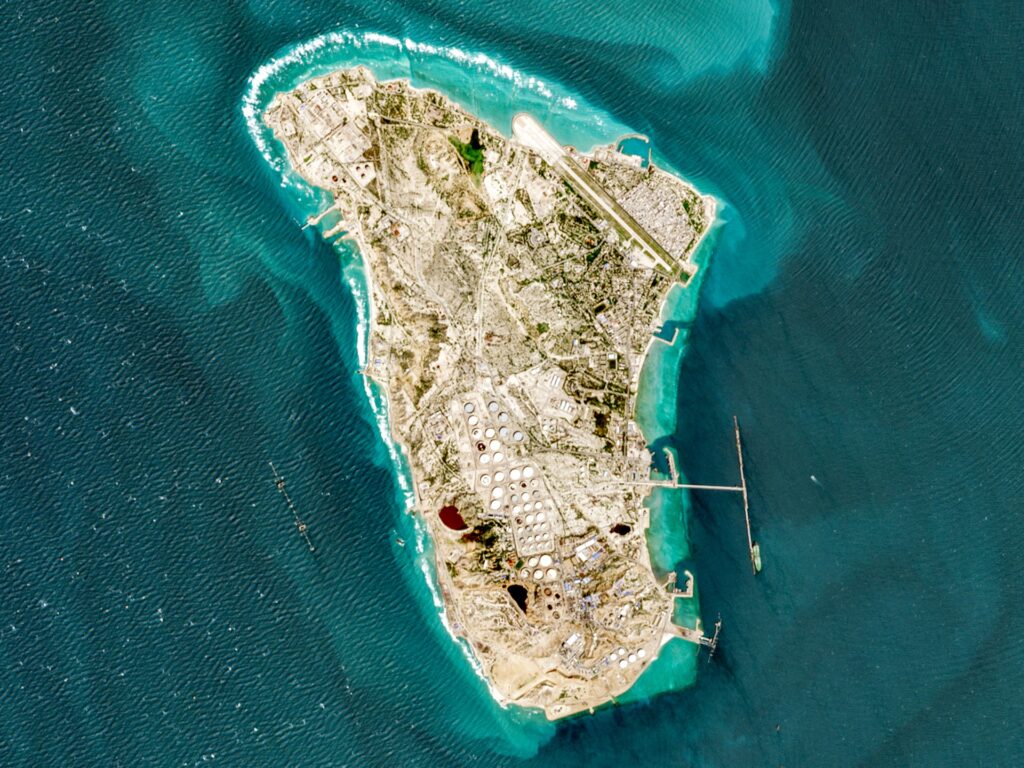
Tensions between the United States and Iran have escalated following a recent US military strike on key facilities on Kharg Island, a strategically significant location known for its vast oil storage capabilities. The island, situated in the Persian Gulf, houses military sites alongside Iran’s most critical oil infrastructure, making the attack highly provocative and consequential.
The US raid targeted military installations on Kharg Island, signaling a direct confrontation with Tehran’s forces. This assault comes amid ongoing international disputes surrounding Iran’s nuclear program and regional influence. Kharg Island, being the main hub for Iran’s oil export terminals, plays a pivotal role in the country’s economy and its ability to supply oil globally.
In response to the attack, Iran’s government issued a vehement warning to the United States, threatening to retaliate by reducing US-linked oil facilities to “a pile of ashes” if any oil structures on Kharg Island are further targeted. This statement underscores the high stakes involved, as both countries appear poised on the brink of a broader conflict that could disrupt global oil markets and heighten geopolitical instability.
The US, by striking military targets on the island, aims to diminish Iran’s military capabilities and deter further aggression. However, the explicit threat from Tehran points to a willingness to escalate the confrontation if its vital energy infrastructure is perceived to be under threat. Analysts believe this development could trigger widespread regional tensions, potentially involving other countries reliant on Persian Gulf oil flows.
Kharg Island’s oil facilities are not only essential for Iran’s economy but also critical to the world’s energy supply chain. The island’s oil terminals handle a significant portion of Iran’s crude exports, which are a lifeline for the regime’s finances. Damage to these facilities would severely cripple Tehran economically and could lead to retaliatory attacks, raising fears of prolonged military engagement.
Iran’s warning reflected the growing animosity and highlighted the fragile nature of peace in the region. Experts warn that any further strikes against the island’s oil infrastructure could provoke severe repercussions, possibly igniting broader conflict involving US allies and regional powers.
The incident highlights the delicate balance in Middle Eastern geopolitics where energy interests, military power, and international diplomacy intersect. Both nations stand at a crossroads, with potential consequences that could ripple through global energy markets, affecting prices and supply worldwide.
Global leaders and international organizations have called for restraint and dialogue to avoid further escalation. The international community remains vigilant, concerned about the potential for a wider confrontation that could disrupt the already volatile security dynamics in the Persian Gulf region.
As the situation develops, monitoring how both the US and Iran navigate this crisis is crucial. The risk of intensified conflict remains high, with Kharg Island symbolizing a flashpoint in the broader struggle for influence and control in the Middle East.
This attack and subsequent threats underscore the ongoing challenges in US-Iran relations, where military actions and strategic rhetoric continue to shape a fragile and complex geopolitical landscape.