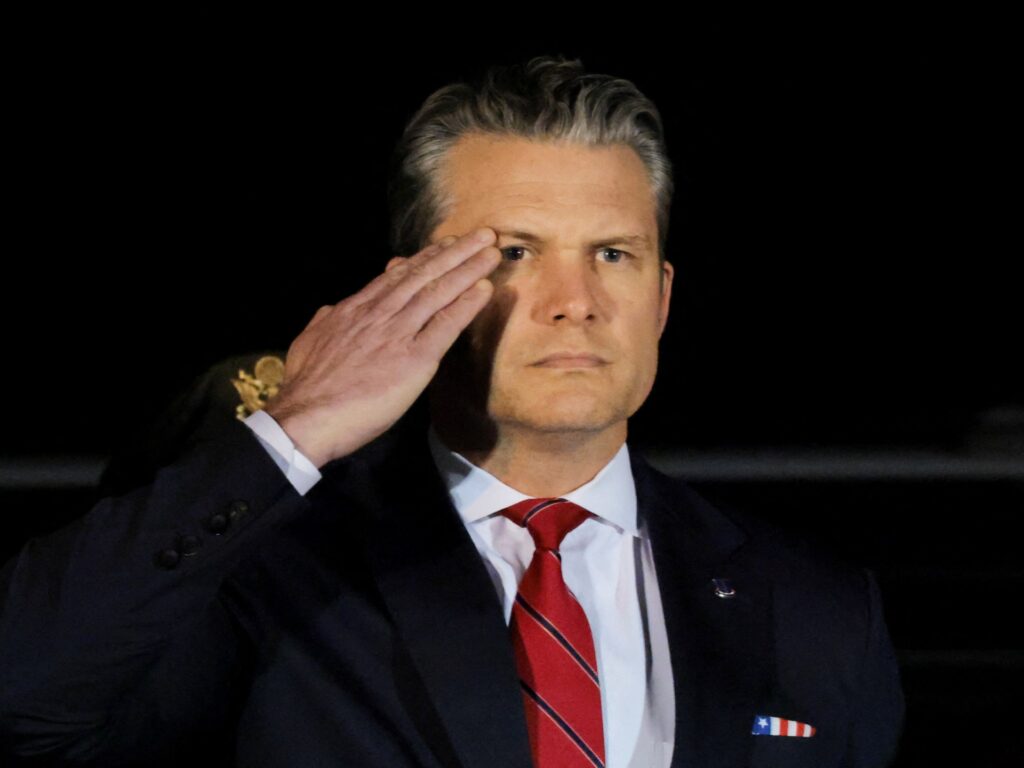
In recent remarks, U.S. Defense Secretary Pete Hegseth declared that the United States would show ‘no quarter, no mercy’ in its military actions against Iran. This stark statement has triggered significant alarm among legal experts and international affairs analysts, who argue that such a position flagrantly violates international law.
The phrase ‘no quarter’ historically signifies that combatants will not be spared or taken prisoner, implying an intention to kill enemies without offering them the chance to surrender. Under international humanitarian law, particularly the Geneva Conventions, combatants and non-combatants alike are to be treated humanely during conflict, with protections explicitly forbidding acts of cruel treatment or summary execution.
Analysts point out that the U.S. threats undermine these legal protections designed to limit suffering in armed conflicts. “Issuing a statement that promises ‘no mercy’ sets a dangerous precedent,” commented a leading international law expert. “Such declarations not only breach the laws of armed conflict but also erode the moral and legal standards that govern warfare.”
The U.S.’s ongoing military actions in the region, especially increased airstrikes and drone operations against Iranian interests, have already raised humanitarian concerns due to civilian casualties and potential violations of sovereignty.
International bodies and human rights organizations have called on Washington to adhere strictly to international law. They stress the importance of distinguishing between combatants and civilians and unequivocally upholding the principle that prisoners of war must be treated with dignity.
In response, some defense officials have sought to clarify that ‘no quarter’ rhetoric is aimed at deterring hostile actions and not a directive for indiscriminate violence. Nevertheless, critics argue that such language inflames tensions and jeopardizes prospects for a peaceful resolution.
Legal scholars warn that ignoring international legal frameworks risks provoking broader instability in the Middle East and invites retaliatory actions that could escalate into wider conflict.
The controversy spotlights longstanding debates over the balance between national security imperatives and adherence to global legal standards. As the U.S. continues its campaign targeting Iran, the international community watches closely, underscoring the crucial role of law in moderating war and securing human rights.
Ultimately, the debate over ‘no quarter’ rhetoric is a reminder of the profound responsibilities states bear in wartime—not only to protect their own interests but to uphold the principles of humanity that transcend borders and conflicts.