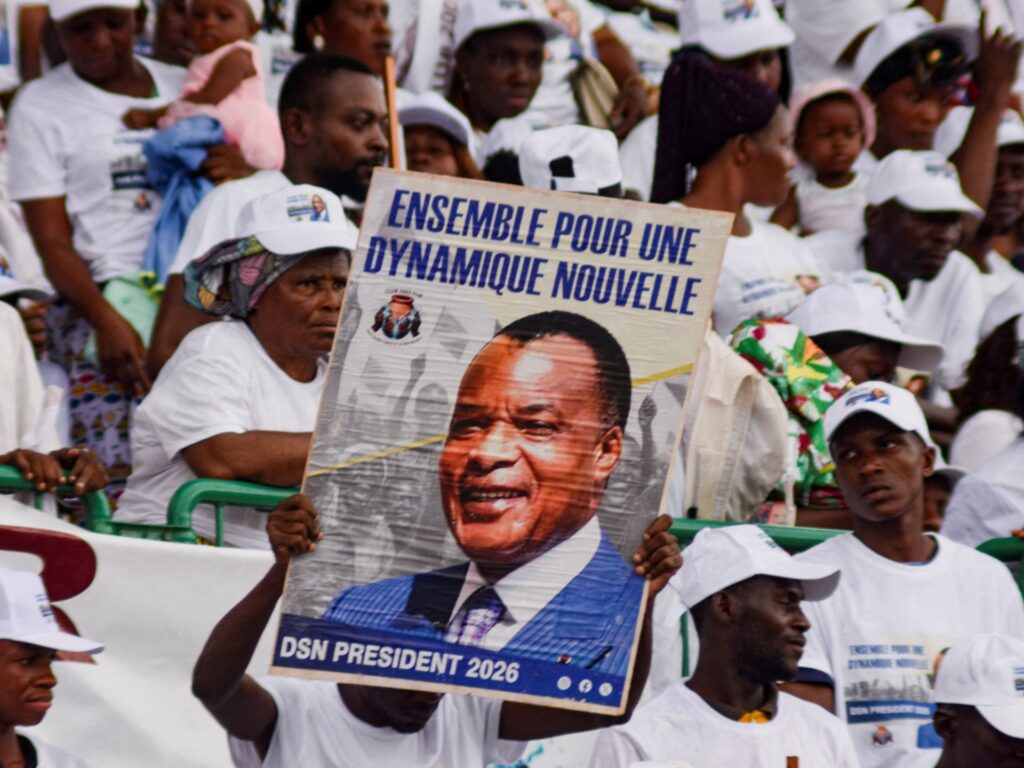
The Republic of Congo, also known as Congo Brazzaville, is gearing up for its latest presidential election. This event, while significant on the calendar, is widely regarded by analysts as a formality that will likely see President Denis Sassou Nguesso extend his already decades-long rule.
### Who is Running?
President Denis Sassou Nguesso, a prominent and longstanding figure in Congolese politics, is once again standing as a candidate. He has dominated the political scene for over three decades, serving as president from 1979 to 1992 and then returning to power since 1997. His candidacy once more places him front and center in the electoral race.
Alongside Sassou Nguesso, there are other candidates technically contesting the election. However, opposition figures face a challenging environment characterized by limited political freedoms, restricted media, and allegations of electoral manipulation. These factors diminish their chances of mounting a serious challenge.
### What is at Stake?
The election holds significant implications despite the prevailing assumptions of an assured outcome. First, it offers a platform for the government to affirm its legitimacy in the eyes of both domestic constituents and the international community. The election is symbolic of the Republic of Congo’s democratic processes and international norms.
Economically, Congo is a country rich in natural resources, including oil—a major driver of its economy. President Sassou Nguesso’s administration has controlled much of this wealth and the associated power structures. Another term could mean continued political stability or stagnation, depending on one’s interpretation, and the continuation of current policies.
Politically, the election result will signal the state of governance and democracy in Congo Brazzaville. Prolonged rule by one leader often raises concerns about democratic backsliding, reduced political pluralism, and human rights issues. Critics warn that the absence of genuine competition undermines democratic legitimacy and entrenches authoritarianism.
Social implications are also considerable. Elections are a potential outlet for public expression and engagement. However, under tight political control, the population’s ability to influence governance remains limited, reinforcing apathy and disenfranchisement among citizens.
### The International Perspective
Outside observers and international organizations often monitor CONGO’s elections. While there is international pressure for free and fair elections, geopolitical and economic interests frequently temper their interventions. Key players, including regional bodies and Western nations, watch closely but rarely challenge the status quo aggressively.
### Conclusion
In summary, the Republic of Congo’s forthcoming presidential election represents a continuation of an established political narrative. President Sassou Nguesso is set to extend his rule amid an electoral process viewed largely as predetermined. The election’s real impact may not be the result itself, but the broader implications for Congo’s political future, governance quality, and the prospects for democratic engagement in the years to come.