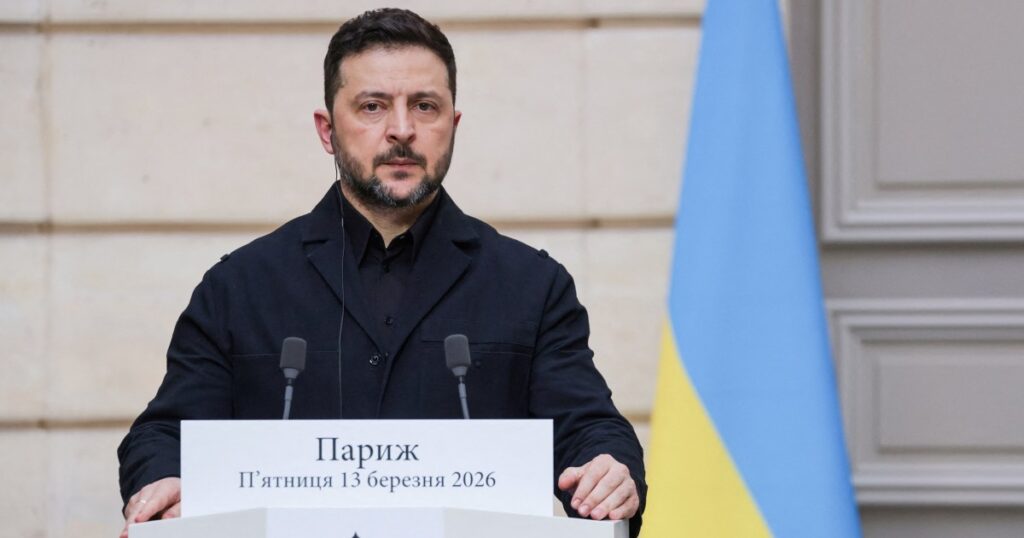
The recent decision by the United States to ease sanctions on Russian oil has sparked strong criticism from Ukraine and its European Union allies. The rollback comes at a critical time when Europe is grappling with soaring energy prices, partly linked to tensions arising from the Iran conflict. Ukrainian President Volodymyr Zelenskyy condemned the move, stating that it “does not help peace” and could undermine efforts to hold Russia accountable for its actions.
The original sanctions were imposed to pressure Russia following its aggressive military activities, aiming to cut off crucial revenue streams that fund its operations. The relaxation of these measures has raised concerns among EU countries, many of which have struggled with skyrocketing energy costs and an urgent need to diversify supplies away from Russia.
EU officials have expressed disappointment, arguing that the US decision could embolden Russia and diminish the collective leverage of Western nations united in sanctioning Moscow. The sanctions have been a pivotal element in the West’s strategy to weaken Russia economically and deter further aggression, particularly in Ukraine.
Energy analysts warn that while easing restrictions might provide temporary relief in energy prices, it risks prolonging the conflict by providing Russia with financial means to sustain its military efforts. Many EU nations are now accelerating efforts to find alternative energy sources, improve energy efficiency, and invest in renewable energy projects to reduce dependency on Russian oil.
The backlash from Ukraine and its allies highlights the complex balancing act involved in foreign policy decisions related to sanctions and energy security. While economic pragmatism may push some nations toward compromises, the overarching goal remains a peaceful resolution to ongoing conflicts and ensuring stability in the region.
As tensions continue to simmer, the international community faces mounting challenges in navigating the intertwined issues of geopolitics, energy security, and humanitarian concerns. The US rollback serves as a reminder of the delicate dynamics at play and the need for coordinated efforts to maintain pressure on aggressors without exacerbating energy vulnerabilities in allied nations.
With the situation evolving rapidly, stakeholders are closely monitoring Washington’s next moves and their implications for global energy markets and geopolitical stability. The call from Ukraine’s leadership is clear: policies must prioritize peace and collective security over short-term economic gains.
This development underscores the critical importance of international solidarity in addressing the multifaceted crises caused by geopolitical conflicts and the urgency of sustainable, long-term solutions in energy and diplomacy sectors.