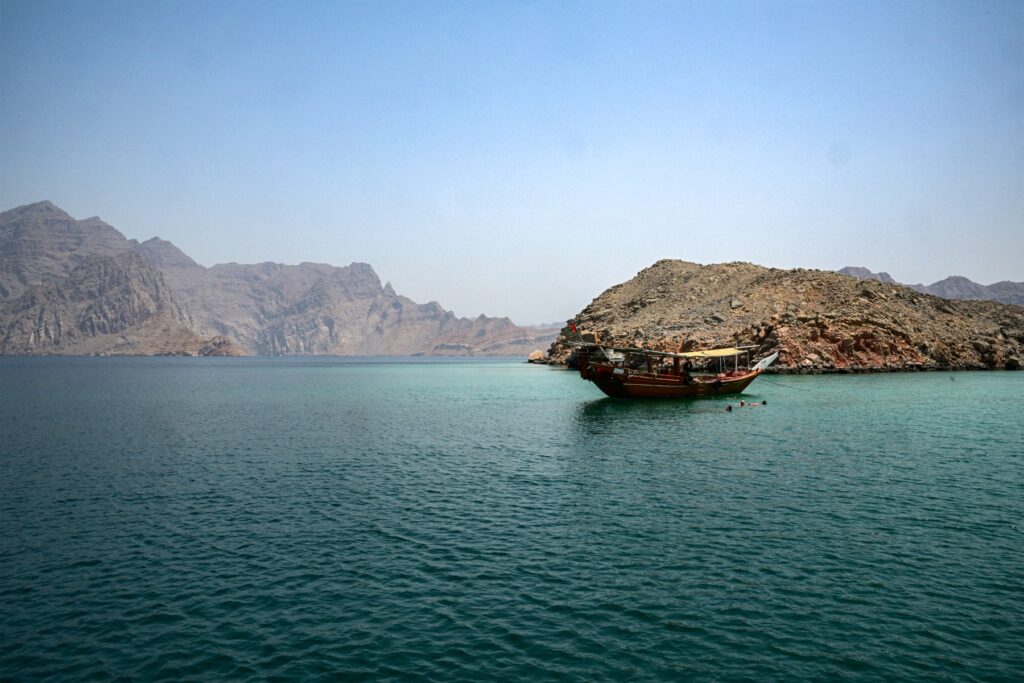
A dhow sails in the waters of the Strait of Hormuz off Khasab in Omans northern Musandam peninsula on June 25, 2025. (Photo by Giuseppe CACACE / AFP)
In an unprecedented move aimed at stabilizing the global oil market, the International Energy Agency (IEA) has announced a massive release of 400 million barrels of oil from strategic reserves. This decision comes amid escalating geopolitical tensions and the ongoing war involving Iran, which has severely disrupted oil supplies and heightened concerns about energy security worldwide.
The 400 million barrels represent the largest collective oil release in the history of the IEA, signaling the gravity of the current crisis. Member countries have coordinated this effort to counteract steep price surges and supply uncertainties that threaten both economies and consumers globally.
This move is being hailed as a decisive intervention by the global energy watchdog to inject much-needed supply into a market grappling with tight inventories and volatility. The oil price hikes triggered by the conflict in the Middle East have already impacted inflation rates, transportation costs, and industrial production, making this release crucial for economic stability.
However, experts warn that while the release will provide immediate relief, it may be a “one-shot” tactic that does not address the underlying issues destabilizing the oil market. The ongoing war in Iran continues to pose significant risks to oil production and transportation routes in the region, suggesting that further disruptions could occur despite the current release effort.
Analysts point out that the scale of the release, although substantial, may only serve as a temporary buffer rather than a long-term solution. The war’s unpredictable impact on supply chains, potential sanctions, and regional security concerns mean that oil markets could remain volatile for an extended period.
Furthermore, critics argue that reliance on strategic reserves as a reactive measure may signal a lack of diversified energy strategies. The situation underscores the importance of accelerating transition to renewable energy sources and enhancing energy independence to reduce vulnerability to geopolitical shocks.
While the IEA’s bold move is expected to temper immediate price shocks and send a reassuring signal to markets, the global community must recognize that sustained stability will require comprehensive diplomatic resolutions and longer-term energy policy reforms.
In conclusion, the IEA’s announcement to release 400 million barrels of oil marks a historic intervention in a time of unprecedented challenges. It provides a crucial, albeit temporary, reprieve for the global oil market. The effectiveness of this measure will depend on how the geopolitical situation unfolds and the willingness of nations to pioneer concerted strategies for energy security beyond emergency releases.