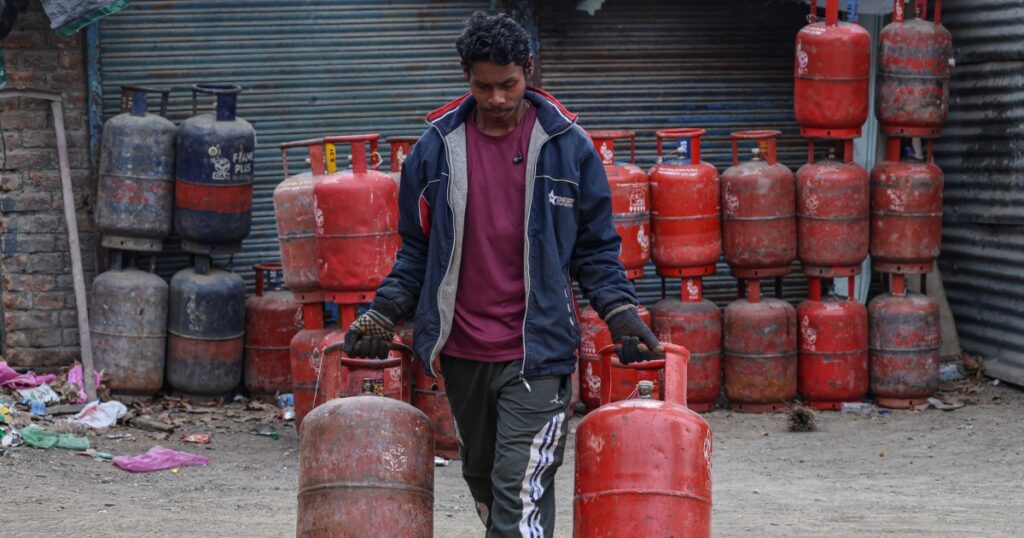
The ongoing conflict involving Israel, the United States, and Iran has escalated geopolitical tensions in the Middle East, resulting in significant economic and social repercussions, particularly for Indian expatriates residing in the Gulf. This war has triggered substantial gas shortages, disrupting energy supplies crucial to global and regional economies. Among those most severely affected are approximately nine million Indian expatriates working in the Gulf countries, many of whom depend on stable employment and remittance flows to support their families back home in India.
India is one of the largest recipients of remittances globally, with nearly $50 billion flowing annually from its diaspora, notably from the Gulf region. The current instability threatens this vital income stream, posing risks not only to individual households but also to the broader Indian economy, which relies on these funds for consumption and investment.
The war has created an atmosphere of uncertainty for Indian workers in oil-rich countries like the United Arab Emirates, Saudi Arabia, Qatar, Oman, and Kuwait. These nations, bearing the brunt of disruptions in oil and gas supply chains, are facing economic pressures that could lead to job losses, wage cuts, or delayed payments. Such outcomes would directly jeopardize the remittances sent home by Indian workers.
Moreover, the heightened tensions have led to security concerns and travel restrictions that complicate migration patterns and the ability of workers to return or relocate safely. The situation demands urgent diplomatic interventions to stabilize the region and safeguard the welfare of expatriate communities.
India’s government is closely monitoring the developments, advocating for the protection of its diaspora’s rights and interests while exploring contingency plans to mitigate remittance risks. Financial institutions are also preparing for potential volatility in currency and transfer channels.
In addition to economic challenges, the human aspect of this crisis cannot be overlooked. Indian families depend on the remittance income for essential needs such as education, healthcare, and daily living expenses. Prolonged disruption could exacerbate poverty and social instability within vulnerable communities.
The conflict’s ripple effects underscore the interconnectedness of global geopolitics and economic livelihoods. It highlights the need for international cooperation to ensure energy security and protect migrant workers amidst geopolitical upheavals.
As this situation unfolds, the international community watches closely, hopeful for a resolution that restores peace and economic stability to the region. The resilience of Indian expatriates and policy measures taken by governments will be critical in navigating the complexities of this crisis.
In summary, the Israel-US war on Iran is not just a regional conflict but one with far-reaching implications, threatening to disrupt $50 billion in Indian remittances and the lives of millions dependent on them in the Gulf. Ensuring their safety and economic security is imperative to prevent a humanitarian and economic crisis extending beyond the Middle East.