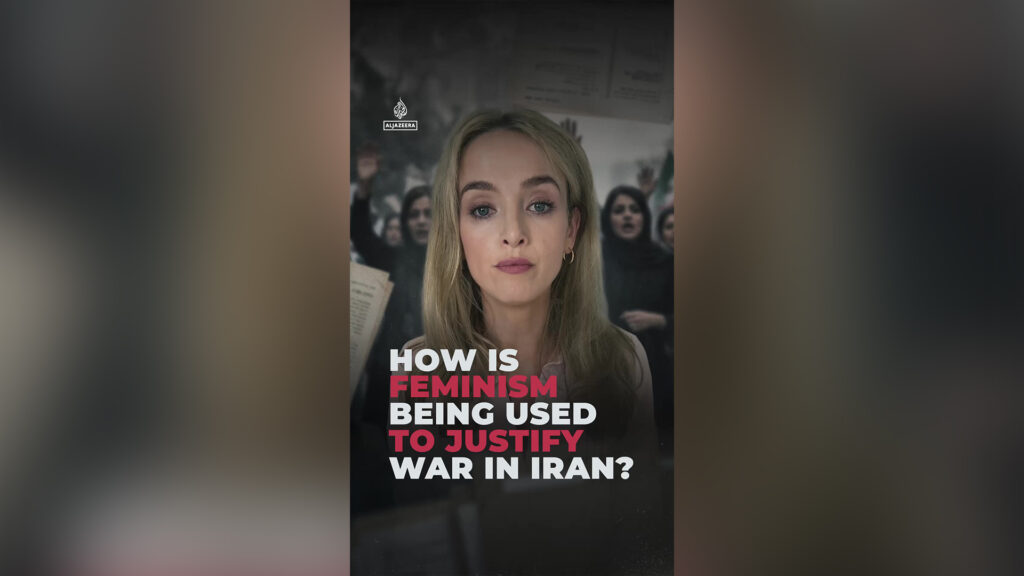
In recent times, some advocates of a military intervention against Iran, particularly those supporting US-Israeli stances, have sought to use feminism as a justification for such actions. This approach centers on highlighting the treatment of women in Iran as a critical issue needing urgent international attention. They argue that the oppressive policies and practices affecting Iranian women—such as compulsory hijab laws, severe restrictions on personal freedoms, and harsh penalties for dissent—represent not only a human rights crisis but also a moral imperative for intervention.
Supporters using this line of reasoning maintain that Western powers have a responsibility to protect oppressed women by challenging regimes that enforce patriarchal and authoritarian norms. By framing the conflict in terms of feminist advocacy, they attempt to galvanize public opinion and provide a humanitarian rationale for military or coercive actions.
However, this justification is complex and controversial. Critics argue that using feminism to support war can instrumentalize and oversimplify the nuanced realities faced by women in Iran. They caution that military interventions often exacerbate suffering and limit the agency of local populations, including women, rather than alleviate it. Furthermore, some point out that political and cultural struggles for gender equality should emerge from within societies themselves rather than through external force.
Iranian women’s rights activists have expressed mixed views on this matter. While many tirelessly campaign for equality and reform, some warn against conflating their cause with foreign military agendas. They emphasize the importance of grassroots movements and internal change, fearing that war may undermine progress or provoke backlash against women’s rights.
The discourse surrounding feminism and war in Iran also reflects broader geopolitical tensions. The framing of the issue can serve strategic interests beyond genuine concern for women’s rights, potentially using feminism as a tool for political justification. This has sparked debate about the ethical implications of leveraging social justice causes for geopolitical objectives.
In conclusion, while feminism is being invoked by some to justify military action in Iran under the pretext of protecting women’s rights, the issue remains deeply contentious. The intersection of gender, politics, and international conflict highlights the complexity of using social causes as a rationale for war, urging caution and critical reflection on the motivations and potential consequences involved.