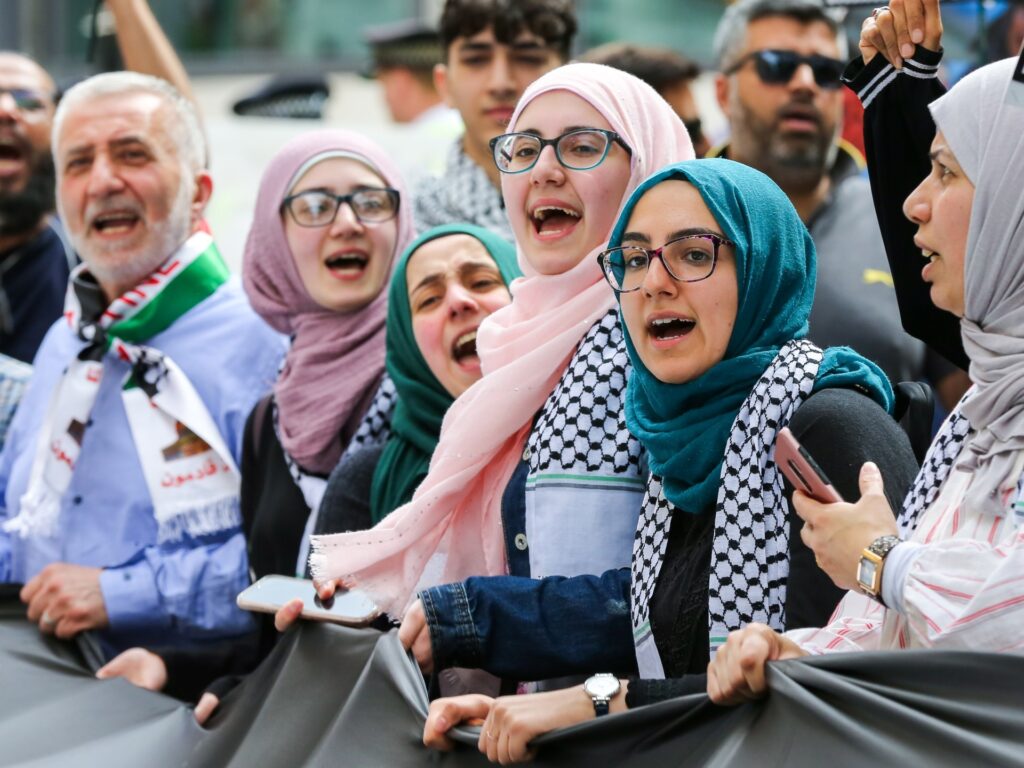
The UK Home Secretary has officially banned the planned al-Quds march in London after a formal request from the Metropolitan Police, citing significant risks of public disorder. The decision came amid growing concerns about potential violence or unrest during the event, which typically expresses solidarity with the Palestinian cause, particularly against Israeli policies. The Metropolitan Police argued that the march posed a threat to public safety and peace, prompting the government to intervene and prohibit the march from taking place in its originally planned format.
In response to the ban, the organisers of the al-Quds march have announced their intention to hold a static protest instead of a traditional procession. This adjustment aims to comply with the legal restrictions while still allowing supporters to voice their messages and concerns. Organisers have emphasized the importance of maintaining peaceful and lawful demonstrations to avoid further escalating tensions.
The al-Quds march has a long history of being both a platform for political expression and a flashpoint for controversy and conflict. Authorities have often expressed nervousness over potential confrontations between opposing groups, which can lead to public safety hazards. The Metropolitan Police’s request and the subsequent ban reflect a precautionary approach to preventing any incidents that could arise during mass gatherings with contentious political themes.
This development has sparked a debate over the balance between upholding freedom of expression and ensuring public order in politically sensitive demonstrations. Advocates for the march argue that it is a critical form of political speech and solidarity, while opponents warn of the dangers of allowing such large-scale events that might incite violence.
The static protest planned by the organisers is expected to adhere to strict guidelines set out by the police to maintain order and safety. Officials have stated they will be closely monitoring the situation to prevent any breaches of the law and ensure the demonstration remains peaceful. The government has reiterated its commitment to protecting public safety while respecting the right to peaceful assembly.
As the date of the protest approaches, both law enforcement and community groups are preparing for a high-profile event that encapsulates broader geopolitical tensions and local security challenges. London’s diverse population includes many with strong views on the Israeli-Palestinian conflict, making events like the al-Quds march particularly sensitive.
The decision to ban the march but allow a static protest underscores the complexities governments face in handling demonstrations that touch on international conflicts. It highlights the delicate task of managing competing rights and risks in a major global city.
The UK Home Secretary and Metropolitan Police have stressed the ongoing importance of dialogue and cooperation with community leaders to mitigate risks of disorder while supporting democratic freedoms. The situation remains fluid, with authorities urging calm and responsible behaviour from all parties involved in the upcoming protest.