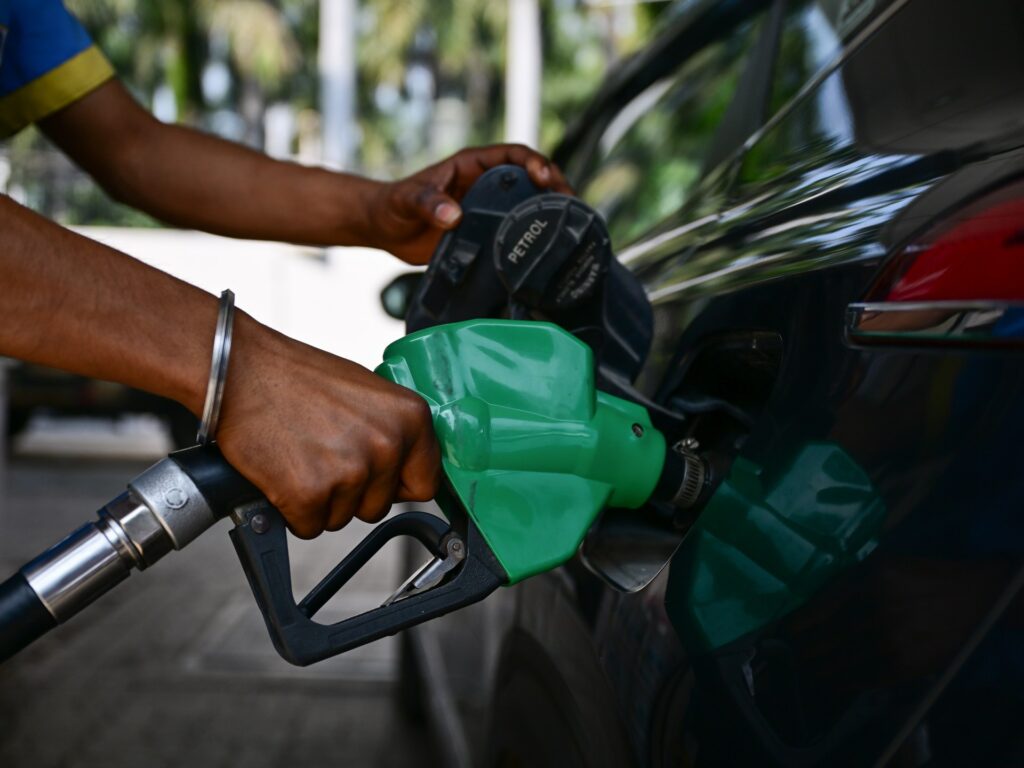
Since the onset of military actions involving Iran, particularly attacks by the US and Israel on February 28, a significant surge in petrol prices has been witnessed worldwide. Reports indicate that at least 85 countries have experienced these price hikes, highlighting the global repercussions of the conflict. Among the nations registering the highest petrol price increases are several in Europe and Asia, where geopolitical ties and oil dependency play a crucial role.
European countries such as the Netherlands, Italy, and Germany have seen some of the steepest rises. The Netherlands, for example, has reported petrol prices escalating beyond previous peaks due to its reliance on imported oil and the broader EU energy market sensitivity. Italy and Germany, too, face pressures from disrupted supply chains and increased energy demands during the period following the Iran conflict.
In Asia, nations like India and China have also felt the impact. India’s petrol prices have climbed sharply, influenced by its substantial oil import needs and rupee depreciation against the dollar, which has amplified price movements. China, while partially insulated by its strategic reserves, faces higher costs, impacting domestic fuel prices moderately yet noticeably.
Middle Eastern countries, despite being geographically closer to the conflict, showcase varied price patterns. Some oil-exporting nations have controlled prices domestically to shield their populations, while others have allowed market adjustments resulting in higher petrol costs.
The surge in petrol prices not only reflects immediate supply concerns but also broader anxieties about energy security and economic stability globally. Market analysts suggest that the continuation of hostilities could further exacerbate fuel costs, potentially triggering inflationary pressures across diverse economies.
Governments worldwide are monitoring these developments closely, with some considering strategic reserves release or subsidies as measures to mitigate the economic impact on consumers. Consumers, meanwhile, are advised to expect fluctuating prices in the coming months amid ongoing uncertainty.
In conclusion, the Iran conflict has triggered a broad spectrum of petrol price rises affecting at least 85 countries, with notable spikes in Europe and Asia, underscoring the intertwined nature of geopolitics and global energy markets. The situation remains dynamic, with the potential for further economic consequences depending on the conflict’s trajectory.