In a significant escalation of regional tensions, Iran’s Islamic Revolutionary Guard Corps (IRGC) has publicly declared that US-Israeli economic and banking interests in the Middle East are now considered legitimate targets. This announcement marks a sharp warning amid ongoing geopolitical rivalries and heightened hostilities between Iran and the US-Israeli alliance.
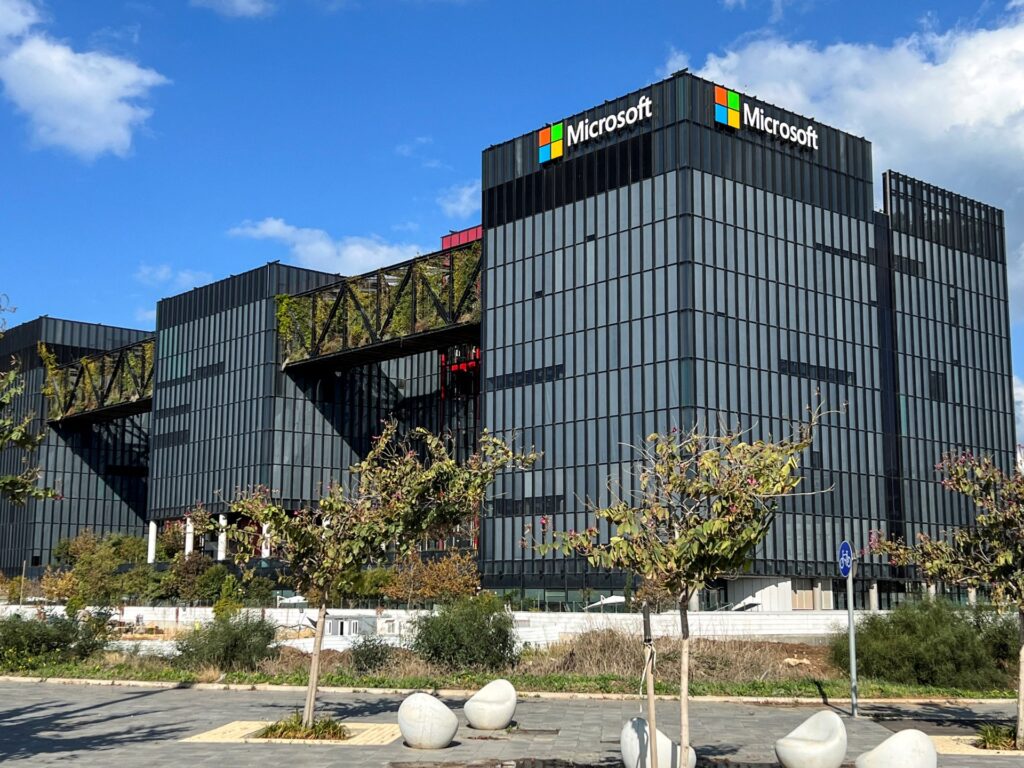
The IRGC released a detailed list of offices operated by major US companies that have links to Israeli firms. According to the IRGC, the technology that these companies provide has been utilized in military operations, which they consider a direct contribution to hostile activities against Iran and its allies. The move aims to send a clear message that Iran will retaliate against economic and technological support perceived as aiding its adversaries.
The list circulated by the IRGC includes prominent US corporations involved in sectors such as banking, telecommunications, and technology. These companies are accused of indirectly supporting Israeli defense capabilities through their technological expertise and infrastructure. This identification of targets extends beyond conventional military assets, signaling a strategic broadening of what Tehran deems acceptable for retaliation.
This development follows a series of incidents over recent months, including cyberattacks, confrontations in the Persian Gulf, and proxy conflicts across the region. Iran’s emphasis on economic and banking infrastructures highlights its intent to challenge the financial networks underpinning US and Israeli operations in the Middle East.
Experts warn that targeting economic interests could escalate the conflict to affect global markets and international business operations. The region remains a critical hub for energy supplies, and disruptions could have far-reaching implications.
US and Israeli officials have not released detailed comments but have reaffirmed their commitment to maintaining security interests in the region. The announcement by the IRGC may prompt increased protective measures around American and Israeli business assets.
Diplomatic channels remain engaged, but the public declaration by Iran signals a hardening stance that could complicate efforts toward de-escalation. International observers are closely monitoring the situation, concerned about potential retaliations and the broadening scope of targets in the ongoing dispute.
The situation underscores the intertwining of economic, technological, and military dimensions in the complex geopolitical landscape of the Middle East. As Tehran moves to defend its interests through unconventional means, the implications for regional stability and international relations remain uncertain.