In the Philippines, a significant shift in daily routines and work patterns is unfolding as rising fuel prices cause widespread economic and social impacts. The catalyst for this surge in fuel costs stems from the geopolitical tensions involving Iran, which have disrupted global oil markets and sent prices soaring.
Manila, the capital, is at the forefront of adapting to these changes. One of the most notable adjustments is the introduction of a four-day workweek in several sectors as businesses and government offices seek to reduce commuting costs for employees. This initiative aims not only to alleviate the financial burden on workers but also to decrease overall traffic congestion and vehicular emissions in the city.
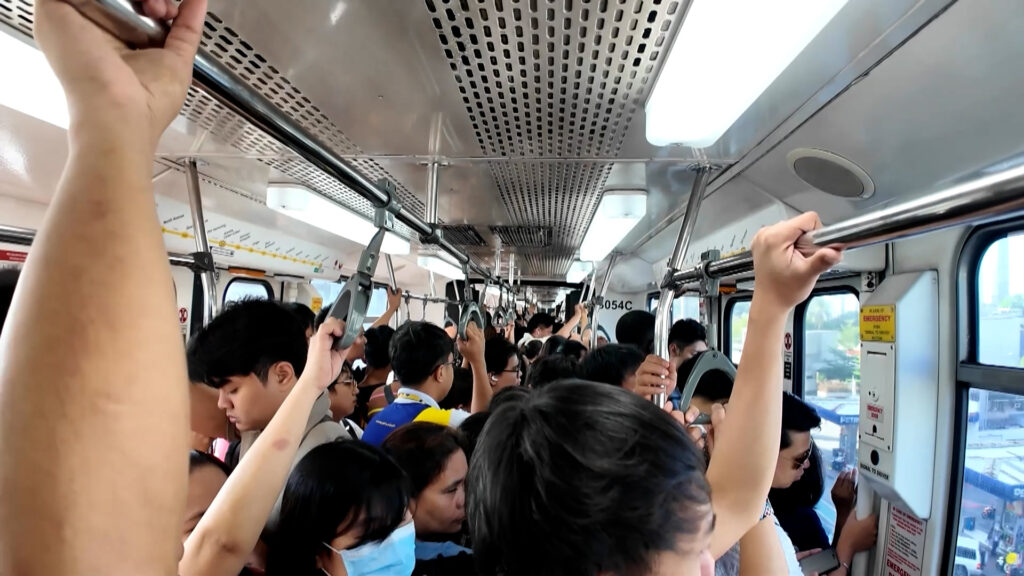
The steeper fuel prices have also prompted a considerable reduction in private car usage. Motorists are increasingly opting for public transportation options, which have seen a surge in demand. Buses, jeepneys, and trains are experiencing fuller capacity as people strive to manage the rising costs of travel.
Local authorities are supporting this modal shift by enhancing public transit services, attempting to maintain efficiency and reliability amidst the increased ridership. Efforts include adding more vehicles to popular routes and improving schedules to accommodate more passengers.
Economically, these changes pose both challenges and opportunities. On the one hand, the higher fuel prices squeeze household budgets and increase operational costs for businesses dependent on logistics. On the other hand, the boost in public transit patronage offers growth potential for transit operators and stimulates investment in related infrastructure.
Environmental advocates have welcomed these developments as a move towards sustainability. The decrease in car trips could lead to lower carbon emissions and better air quality in heavily trafficked urban areas such as Manila. Additionally, the four-day workweek could promote better work-life balance and reduce stress related to long commutes.
However, there are concerns about the long-term feasibility of these adaptations. Questions remain about how sustained higher fuel prices might affect the overall economy and public transport infrastructure. There is also the challenge of ensuring that reduced workweeks and altered commute patterns do not negatively impact productivity and economic output.
Residents have shown mixed reactions. Some appreciate the reduced commute times and cost savings, while others worry about the potential limitations on their income and the pressures it may place on families reliant on daily wages.
Experts suggest that these trends could drive policy changes, encouraging renewable energy adoption and more resilient urban planning. The Philippine government is expected to closely monitor the situation and consider measures to cushion the impact on vulnerable populations.
In summary, the fallout from geopolitical tensions involving Iran has led to rising fuel prices in the Philippines, triggering notable societal shifts including a four-day workweek in Manila and fewer car trips. As the country navigates these changes, it faces a complex interplay of economic, social, and environmental factors that will shape its future trajectory.