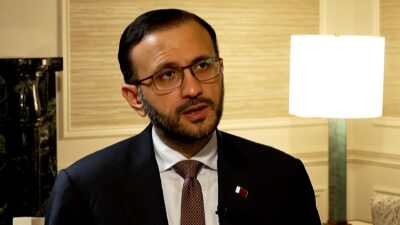
In a recent statement, Mohammed bin Abdulaziz al-Khulaifi, a prominent Qatari minister, emphasized that regional countries should not be viewed as enemies of Iran. His remarks come amid ongoing regional tensions and diplomatic challenges.
Al-Khulaifi stressed the importance of coexistence and peaceful relations in the Middle East, highlighting that hostility among neighboring nations only fuels conflict and instability. He advocated for open dialogue and cooperation as essential steps toward resolving disputes and building trust in the region.
However, the minister also acknowledged the difficulties faced by countries like Qatar and Oman in playing the role of mediators. He pointed out that these nations cannot effectively act as intermediaries if they themselves come under attack or are embroiled in conflicts. This condition complicates diplomatic efforts and hampers prospects for peace negotiations.
The Qatari minister’s comments come at a critical time when the region is grappling with complex geopolitical dynamics involving Iran and its neighbors. While Iran has historically maintained strong ties with some regional countries, tensions with others have occasionally flared, impacting security and political stability.
Al-Khulaifi’s recognition of the non-adversarial relationship between regional states and Iran signals a desire to de-escalate hostilities and promote a more harmonious regional environment. This perspective aligns with broader international calls for dialogue and peaceful conflict resolution in the Middle East.
Moreover, the minister’s candid admission about the limitations Qatar and Oman face in mediation roles sheds light on the practical challenges diplomacy encounters amidst conflict. Ensuring the safety and neutrality of mediators remains crucial for successful peace initiatives.
Experts note that Qatar and Oman have historically played nuanced roles in regional diplomacy, often serving as channels for communication between conflicting parties. Their neutral stance and strategic positioning have made them valuable in easing tensions, but recent escalations have tested their capacity to mediate effectively.
Overall, al-Khulaifi’s statements underscore the complex interplay between diplomacy, security, and regional politics. His call for viewing regional countries not as enemies but as partners in peace promotes a framework that could foster long-term stability.
Moving forward, the emphasis on protecting mediator roles and encouraging peaceful coexistence may influence diplomatic strategies and policy formulations in the Middle East. Stakeholders might focus more on dialogue-driven approaches and collaborative security arrangements.
The situation remains fluid, and continued engagement among all regional players is vital. Qatar’s stance, as articulated by al-Khulaifi, may serve as a foundation for renewed diplomatic efforts and a reinvigorated commitment to peace and cooperation in one of the world’s most geopolitically sensitive regions.