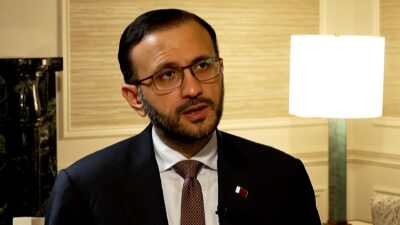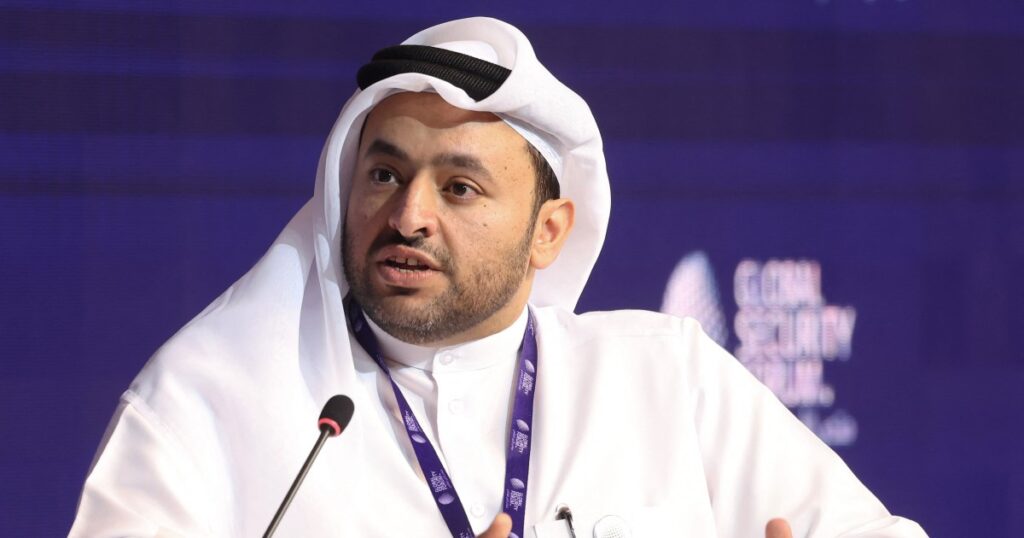
In a recent statement, Mohammed bin Abdulaziz al-Khulaifi, a prominent minister from Qatar, underscored that regional countries should not be perceived as enemies of Iran. This remark highlights a call for regional solidarity and dialogue amidst ongoing tensions in the area. Al-Khulaifi’s comments reflect Qatar’s approach toward fostering peaceful relations and stability within the Gulf region.
He stressed that despite the complexities of regional dynamics, countries in the area share interconnected interests and challenges, making it crucial to avoid framing neighboring states as adversaries. This perspective supports a broader vision of cooperation and understanding to mitigate conflicts and promote mutual respect.
Apart from addressing regional relationships, the minister also touched upon the limitations Qatar and its neighbor Oman face when it comes to mediation in conflicts. According to al-Khulaifi, neither country can act as an effective mediator while being under attack themselves. This emphasizes the practical constraints that smaller states encounter in navigating geopolitical disputes when their own security is threatened.
The statement comes at a time when the Gulf region is witnessing various political and security challenges, necessitating diplomatic efforts for conflict resolution. Qatar and Oman have historically attempted to play neutral or mediating roles in regional disputes, aiming to bridge gaps between diverging parties. However, al-Khulaifi’s remarks suggest that aggression or direct threats can severely impede such roles.
Qatar’s approach, as articulated by the minister, appears to advocate for dialogue without antagonism, reinforcing the importance of peaceful coexistence. This aligns with Qatar’s ongoing foreign policy efforts to maintain open channels with multiple regional actors, including Iran, despite pressures and crises.
Furthermore, the minister’s words signal to the international community the complexities of Middle Eastern diplomacy where alliances are fluid, and security concerns directly impact diplomatic capacities. The notion that being under attack disqualifies a country from mediating showcases the fragile nature of peace efforts in contested environments.
In conclusion, Mohammed bin Abdulaziz al-Khulaifi’s comments affirm that regional countries, including Iran, should not be viewed as enemies, highlighting the need for cooperation rather than confrontation in the Gulf region. Additionally, he draws attention to the difficulties smaller states like Qatar and Oman face in mediation roles under conditions of insecurity, underscoring the need for stability as a prerequisite for effective diplomatic engagement.