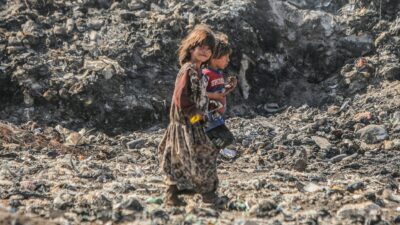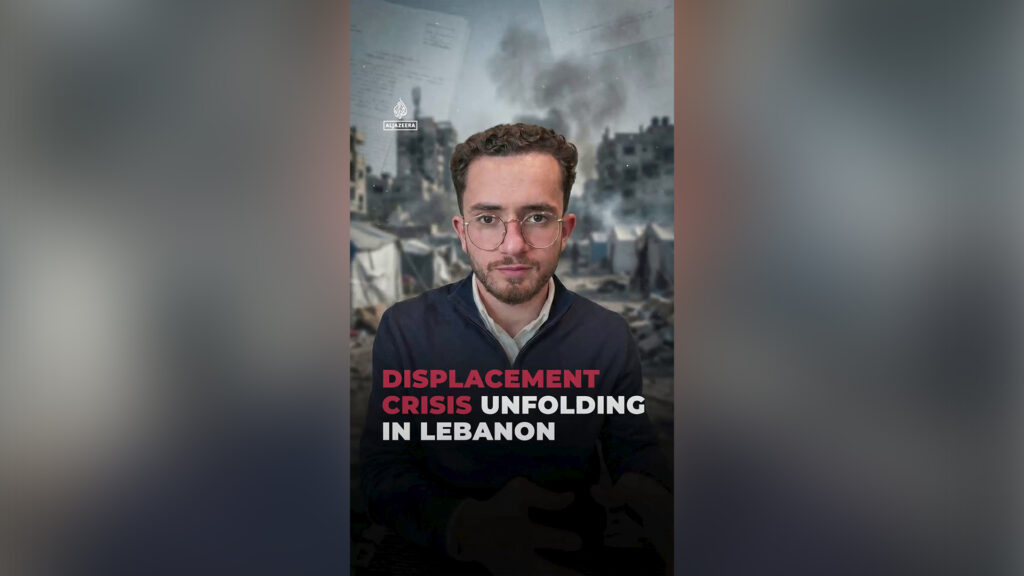
Lebanon is currently grappling with a significant displacement crisis, as recent estimates by the United Nations indicate that around 700,000 people have been forced to flee their homes due to Israeli bombardment. This alarming figure represents one of the most severe humanitarian challenges Lebanon has faced in recent years.
The bombardment has led to widespread destruction of residential areas, leaving thousands homeless and in urgent need of shelter, food, and medical assistance. The displacement is not only disrupting the lives of the affected individuals but also putting immense strain on Lebanon’s already fragile infrastructure and resources.
The Lebanese government is under immense pressure to respond effectively to this crisis. However, the country’s political and economic challenges complicate the response efforts. Lebanon has been enduring a prolonged economic downturn, political instability, and social unrest, all of which limit the government’s capacity to provide adequate support to displaced populations.
Humanitarian organizations, including the United Nations and various NGOs, have stepped in to fill some of the gaps by providing emergency relief and advocating for international aid. International community assistance is critical because Lebanon’s existing resources are insufficient to meet the enormous demands posed by this displacement.
The government’s strategy involves coordinating with international partners to mobilize relief efforts, establish temporary shelters, and restore essential services such as healthcare and education. Nonetheless, the ongoing conflict and security concerns hinder these operations.
Moreover, the displacement crisis exacerbates existing challenges, including housing shortages, unemployment, and access to basic services. The influx of displaced people into safer regions within Lebanon increases competition for limited resources, potentially heightening social tensions.
Experts argue that for Lebanon to effectively manage this displacement crisis, a comprehensive approach is necessary. This approach should include immediate humanitarian relief, long-term housing and infrastructure rehabilitation, psychosocial support for affected populations, and political solutions to stabilize the region.
In conclusion, while the Lebanese government is making efforts to address the displacement crisis stemming from Israeli bombardment, the scale of the challenge is immense. Success will largely depend on sustained international support, effective coordination among humanitarian actors, and progress toward regional stability. Without these, Lebanon risks facing a protracted humanitarian emergency with profound consequences for its social fabric and development.