Former Brazilian President Jair Bolsonaro is seeking court approval to receive a visit from Darren Beattie, an adviser to former U.S. President Donald Trump. Bolsonaro’s legal team has submitted a petition requesting permission for Beattie to meet with Bolsonaro at a prison in Brasilia where the ex-president is currently held.
The move underscores Bolsonaro’s ongoing connections with political allies from the United States, even as he faces legal challenges in Brazil. Darren Beattie is known for his close advisory role to Donald Trump during his presidency, and this request could reflect Bolsonaro’s attempt to maintain international political support.
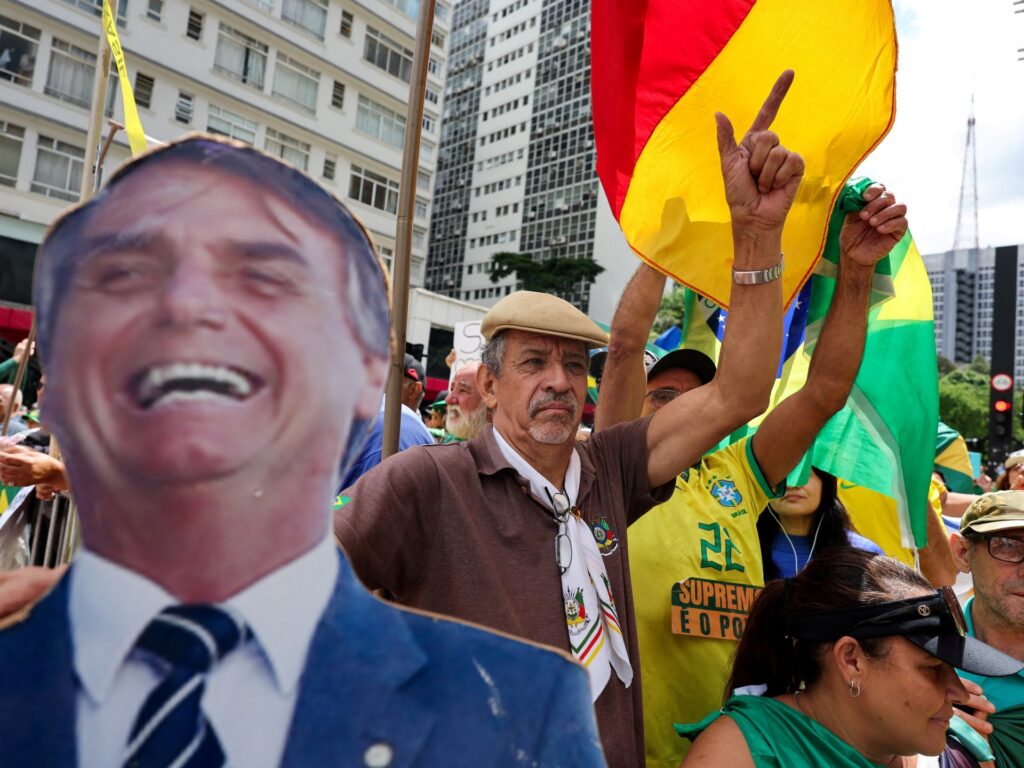
Bolsonaro’s imprisonment in Brasilia has attracted significant attention in Brazil and internationally, given his polarizing political career and controversial tenure as president. His supporters view him as a victim of political persecution, while critics hold him accountable for various crises during his administration.
Legal experts believe the court’s decision on permitting Beattie’s visit could have broader implications, possibly influencing Bolsonaro’s legal strategy or public relations efforts. Such visits by foreign political figures are uncommon but not unprecedented in cases involving high-profile detainees.
While the details of the petition have not been fully disclosed, the request emphasizes Bolsonaro’s desire to engage with trusted advisors abroad. If the court grants approval, the visit could provide Bolsonaro with valuable counsel and possibly reinforce his ties to international political networks.
The Brazilian judiciary is expected to review the petition carefully, balancing procedural rules for prison visits with the political sensitivities involved. The development highlights the complex interplay between domestic politics and international alliances in the context of Bolsonaro’s legal battles.
As Bolsonaro awaits the court’s decision, observers continue to watch the evolving narrative of his political and legal circumstances. The potential meeting with Darren Beattie could become a significant part of that story, reflecting the intersections between Brazilian and American political dynamics.