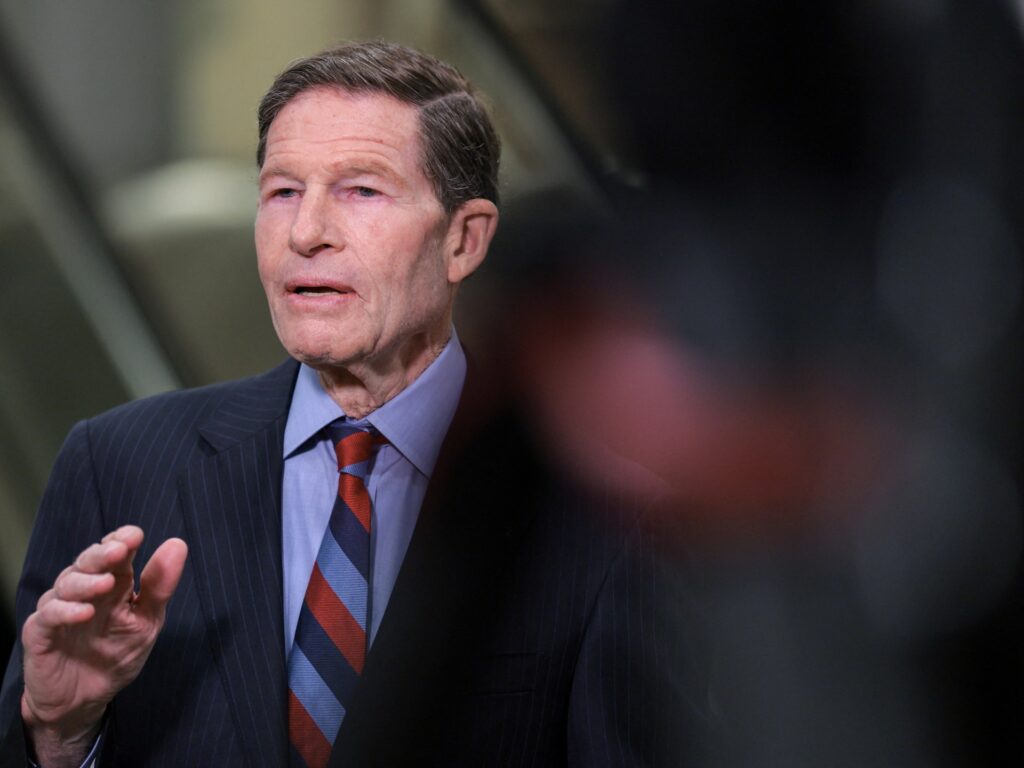
After 11 days since the commencement of military actions targeting Iran, U.S. Democrats have voiced growing concern over the White House’s failure to provide clear objectives or justification for the conflict. Within the party, members have described the ongoing ambiguity in administration communications as “disturbing,” especially following the most recent classified briefing intended to shed light on the war goals.
The Democratic leadership, which has expressed support for strategic action when necessary, now finds itself increasingly frustrated by what they characterize as an absence of a coherent and transparent strategy. According to several insiders, the latest classified briefing, which was expected to clarify the rationale and intended outcomes of the military intervention, did little to allay concerns or provide concrete answers.
Party members argue that such lack of clarity undermines both congressional oversight and public trust, raising questions about the scope and duration of the campaign. They emphasize the necessity for the administration to articulate a clear framework of its aims, including exit strategies and measures to prevent further escalation.
This demand for clarity comes amid heightened tensions in the Middle East and global worries about the potential for broader conflict engendered by U.S. actions. The White House has so far maintained a stance of cautious communication, emphasizing the ongoing efforts to protect national security while refraining from disclosing a full scope of operational protocols or strategic goals.
Democratic lawmakers have called for more inclusive dialogue and transparency, asserting that a well-defined and justified mission is essential for securing bipartisan support and sustaining morale among troops and the American public. They also caution against the dangers of open-ended military engagements without clear objectives, which history has shown can lead to prolonged conflict and unintended consequences.
Observers note that the current situation places significant pressure on the administration to balance national security imperatives with democratic accountability. The opposition’s criticism reflects broader debates over executive power and the role of Congress in authorizing and overseeing military actions.
As the conflict enters its second week, the absence of clear communication from the White House continues to fuel debate not only within the Democratic Party but also among foreign policy experts and the general public, who seek assurance that any military engagement is both justified and strategically sound.
In the coming days, calls for comprehensive briefings and detailed disclosures are expected to intensify, reflecting a widespread demand for transparency and strategic clarity that aligns with national interests and democratic governance. The administration faces the challenge of addressing these concerns while maintaining operational security and managing international diplomatic repercussions.
The situation remains fluid, with the potential for further developments that could either clarify or complicate the already complex dialogue surrounding U.S. military involvement in Iran.