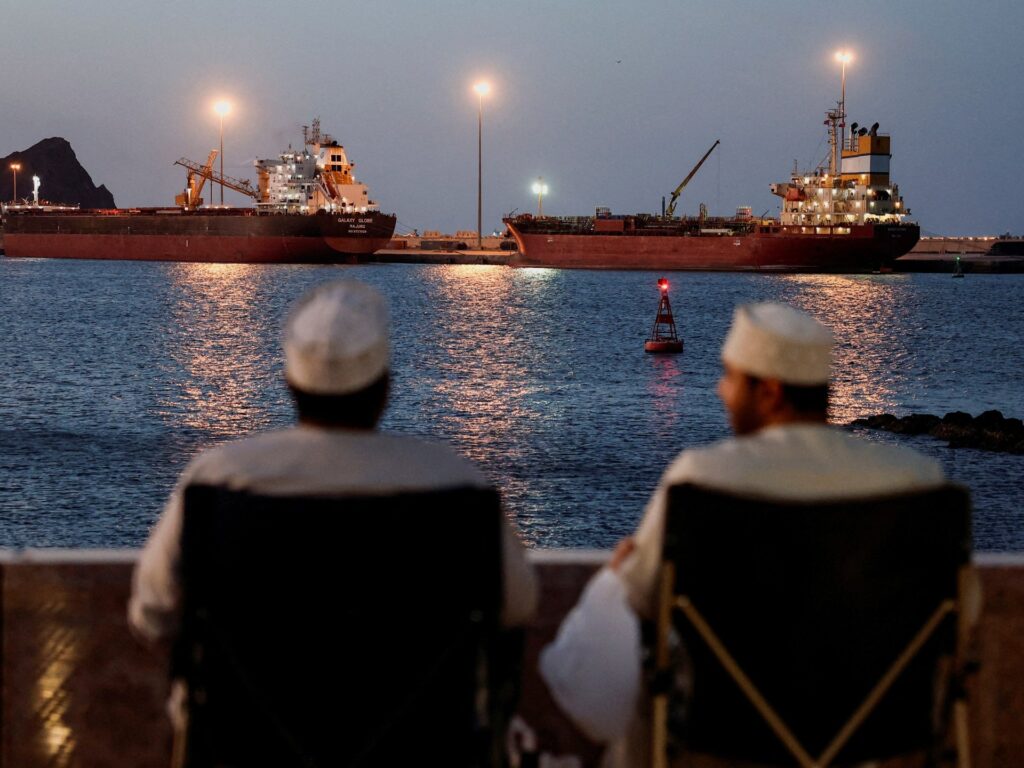
The White House has officially denied reports that the US military escorted a tanker through the strategic Strait of Hormuz, following a deleted social media post by Energy Secretary Chris Wright. This reversal came after Press Secretary Karoline Leavitt addressed the matter to clarify the government’s stance.
The Strait of Hormuz, a crucial maritime chokepoint for global oil shipments, has been a site of heightened tensions involving regional powers and international shipping. Any military escort of vessels in this area tends to draw significant media and diplomatic attention.
Initial reports surfaced from an unexpected source: Energy Secretary Chris Wright’s social media post suggested that a US military escort had been provided to a tanker navigating this sensitive waterway. However, this claim was swiftly removed, sparking curiosity and concern about the accuracy and implications of the statement.
Press Secretary Karoline Leavitt confirmed that the post was deleted because it was inaccurate, stressing that the US military did not provide escort services for any tanker in the area. She emphasized that the administration is committed to clear communication and avoids disseminating unverified information.
Observers note that the deletion and subsequent denial reflect the complexity and sensitivity surrounding US military involvement in the Gulf region. The White House’s swift response shows an intent to manage narratives carefully to prevent misunderstandings that could escalate tensions.
Energy Secretary Wright has not provided further comment following the post’s deletion. Analysts suggest that miscommunication or premature sharing of details may have led to the initial inaccuracy.
The situation highlights the challenges government officials face in the digital age, where social media statements can quickly affect international relations and prompt official responses.
The US maintains a significant naval presence in the Gulf to ensure free navigation and protect commercial vessels, but direct military escorts for tankers remain a matter of strategic calculation. The specifics of such operations are often kept confidential.
The denial from the White House reiterates that, while the US monitors maritime traffic in the region closely, no special escort was provided to the tanker mentioned in Wright’s now-deleted post.
This incident underscores the importance of precise communication from government officials, especially regarding sensitive security matters. It also reveals the potential repercussions of misinformation amid ongoing geopolitical tensions.
The White House continues to monitor the situation in the Gulf region and remains in coordination with international partners to ensure maritime security without escalating military involvement unnecessarily.
As tensions persist in the Hormuz Strait, all stakeholders watch for any signs of conflict or miscommunication that could have broader implications for global energy markets and regional stability.
This latest episode serves as a reminder of the delicate balance in communicating defense activities and the need for careful messaging in sensitive geopolitical contexts.