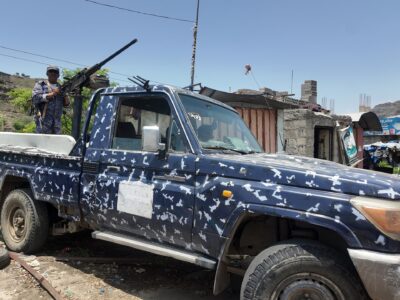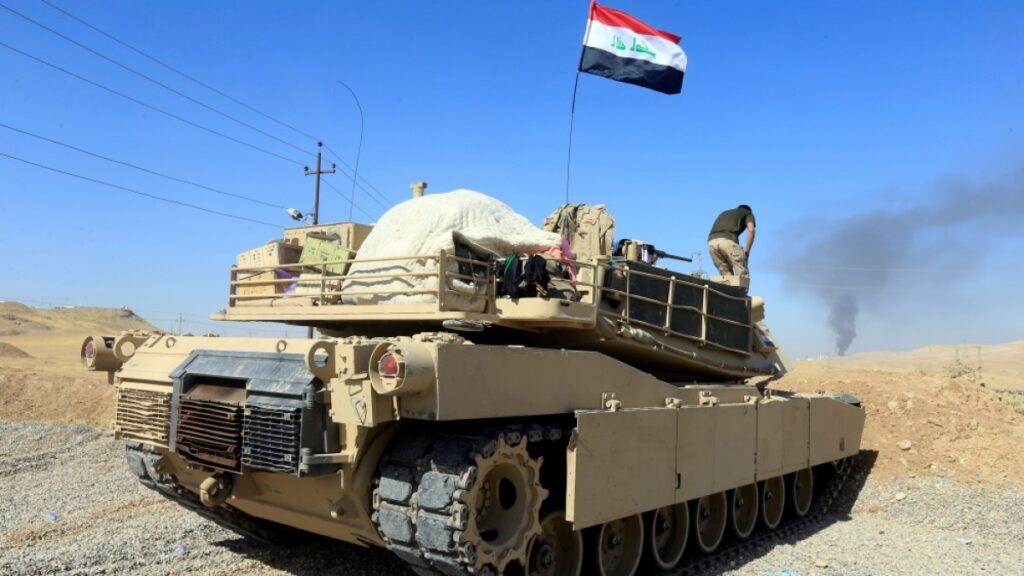
A recent air strike in Iraq has resulted in the deaths of four fighters linked to Iran, intensifying the already volatile situation in the region. This strike comes amid increasing tensions between various regional and international actors.
The targeted attack reflects ongoing conflicts involving Iran-backed militias operating within Iraq’s borders. These militias have been accused of carrying out operations that destabilize the area and threaten both Iraqi sovereignty and regional security.
In a separate but related development, Iran’s Revolutionary Guards have launched an attack on a U.S. military base located in Iraq. This assault underscores the heightened state of conflict and the complex web of hostilities involving the United States, Iran, and allied militias.
The U.S. presence in Iraq has long been a point of contention for Iran and its allied groups. The Revolutionary Guards’ targeting of the U.S. base is seen as a retaliatory action and a demonstration of Iran’s intent to challenge U.S. influence in the region.
Iraq’s Prime Minister Muhammad Shia’ Al Sudani has publicly condemned efforts to draw Iraq into this escalating conflict. PM Sudani warned against Iraq becoming a battleground for proxy wars and emphasized the importance of safeguarding Iraqi sovereignty and stability.
His remarks highlight the delicate position Iraq finds itself in, caught between powerful regional forces and international interests. The government’s stance reflects a desire to maintain neutrality and avoid further inflaming tensions within its borders.
The airstrike and the subsequent attack on the U.S. base highlight ongoing security challenges in Iraq. They also illustrate the broader geopolitical struggle for influence that involves Iran, the United States, and other regional actors.
Analysts suggest that unless diplomatic efforts are intensified, the cycle of violence could escalate further, leading to more widespread instability in Iraq and the wider Middle East.
The United Nations and other international bodies have called for restraint and dialogue to prevent the conflict from spiraling out of control. There are concerns that continuous military actions risk devastating consequences for civilian populations and could undermine efforts toward peace and reconstruction.
Meanwhile, the Iraqi government is under pressure to bolster its security apparatus and diplomatic channels to mitigate the risks posed by armed groups and foreign interventions.
The recent developments serve as a stark reminder of the fragile security environment in Iraq and the persistent threat posed by proxy conflicts fueled by regional rivalries.
International observers continue to monitor the situation closely, urging all parties to engage in constructive dialogue. They stress the urgency of finding a peaceful resolution that respects Iraq’s sovereignty and supports regional stability.
As the situation unfolds, the global community watches with concern, hoping for a reduction in violence and a pathway toward lasting peace in Iraq and its neighboring regions.