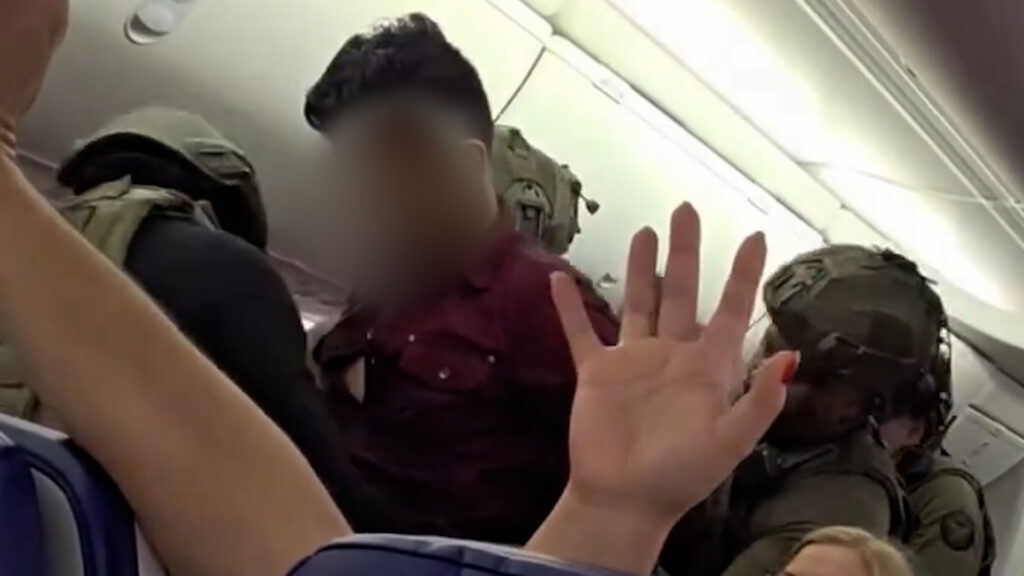
In a recent incident that highlights ongoing challenges surrounding cultural sensitivity and security at airports, a passenger aboard a Southwest Airlines flight was removed after their call to prayer was misinterpreted as a bomb threat. The event has sparked discussions about misunderstanding and the importance of awareness in diverse environments.
The passenger, who was engaging in a traditional call to prayer, was on a Southwest Airlines flight when fellow travelers and possibly staff misconstrued the sound as a potential security threat. This misunderstanding led to the passenger being taken off the plane to address the concern. No bomb threat was found, and no dangerous situation was confirmed.
This episode underscores the delicate balance that airlines and airport security personnel must maintain between ensuring the safety of all passengers and respecting cultural and religious expressions. The call to prayer, a practice common among Muslims worldwide, involves vocal invocations typically made five times a day and is protected as a religious expression.
Security at airports is, understandably, extremely vigilant, especially in the context of ensuring no threats to passengers’ safety. However, incidents like this highlight the need for increased cultural competence training for airline staff and security personnel, to better recognize and respect religious practices and prevent undue alarm.
Community leaders and advocates for religious freedom have expressed concern over this incident, urging airlines and authorities to implement better guidelines and sensitivity training. They argue that misinterpretations of religious practices can lead to unnecessary distress and marginalization of minority communities.
Southwest Airlines has yet to release an official statement regarding the incident, but it is anticipated that the airline will review its policies and training programs to prevent similar situations in the future.
Passengers and advocacy groups have called for an apology to the individual involved and for measures to ensure that religious freedoms are respected aboard commercial flights.
This case serves as a reminder of the ongoing need to balance security measures with cultural understanding in an increasingly diverse world, especially in international travel contexts where passengers come from varied backgrounds and traditions.
The aviation industry, security agencies, and cultural organizations will likely collaborate to develop more comprehensive training on cultural and religious awareness to enhance the travel experience for all passengers, ensuring respect and safety go hand in hand.