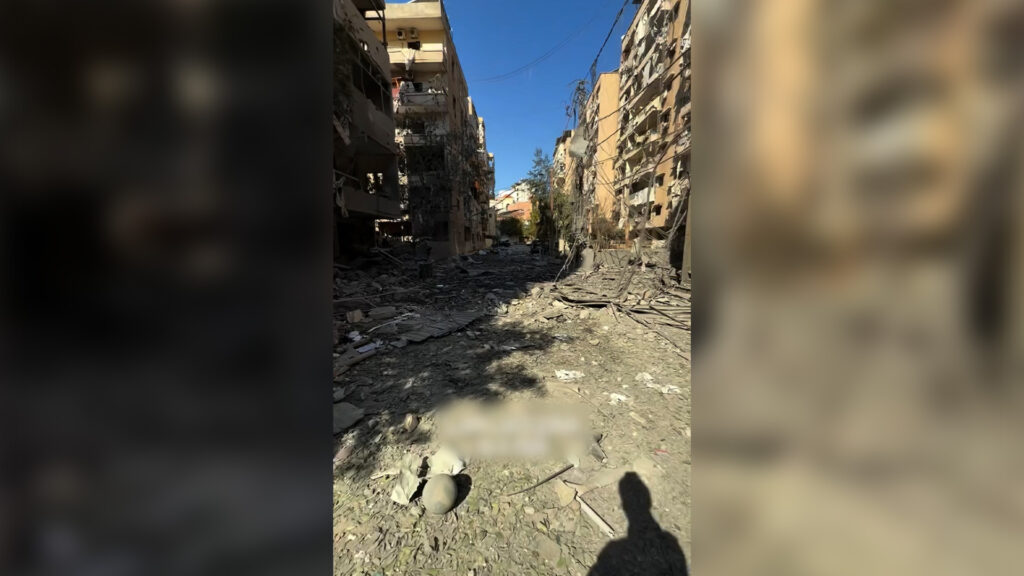
The Harat Hreik suburb of Beirut stands devastated after a recent Israeli bombing campaign. Streets once bustling with daily life now lie in ruins, marked by the scars of explosive impacts and rubble. Buildings, many residential and commercial, have been reduced to fragments of what they once were, with walls collapsed and windows shattered amidst the debris.
Residents who survived the attacks describe scenes of chaos and destruction, with emergency services stretched thin as they search for survivors and tend to the injured. The bombing has not only obliterated infrastructure but has also left families displaced, forced to seek refuge elsewhere in the city or beyond.
The psychological impact on the community is profound, as people grapple with the destruction of their homes and the uncertainty of what lies ahead. Aid organizations have begun mobilizing to provide relief, highlighting the urgency of humanitarian assistance for those affected.
International reactions have varied, with some condemning the violence and calling for immediate ceasefire, while others express support for Israel’s actions as part of their defense strategy. The situation remains tense, with fears of further escalation continuing to cast a shadow over the region.
The scene on the street in Harat Hreik is a somber reminder of the human cost of conflict. It underscores the urgent need for diplomatic efforts aimed at peace and stability in Beirut and the broader Middle East.