A recent US study has revealed a significant surge in Islamophobic content on social media since the onset of the escalating conflict involving Iran. The research found that more than 25,300 Islamophobic posts appeared on X, formerly known as Twitter, reflecting a disturbing increase in hate speech targeting Muslim communities in the United States.
As tensions between the US and Iran have intensified, so too has the volume of Islamophobic rhetoric online, underscoring the negative societal consequences of international conflicts. The study highlights that this trend not only fosters division but also contributes to an environment of fear and hostility for Muslims, particularly in the American context.
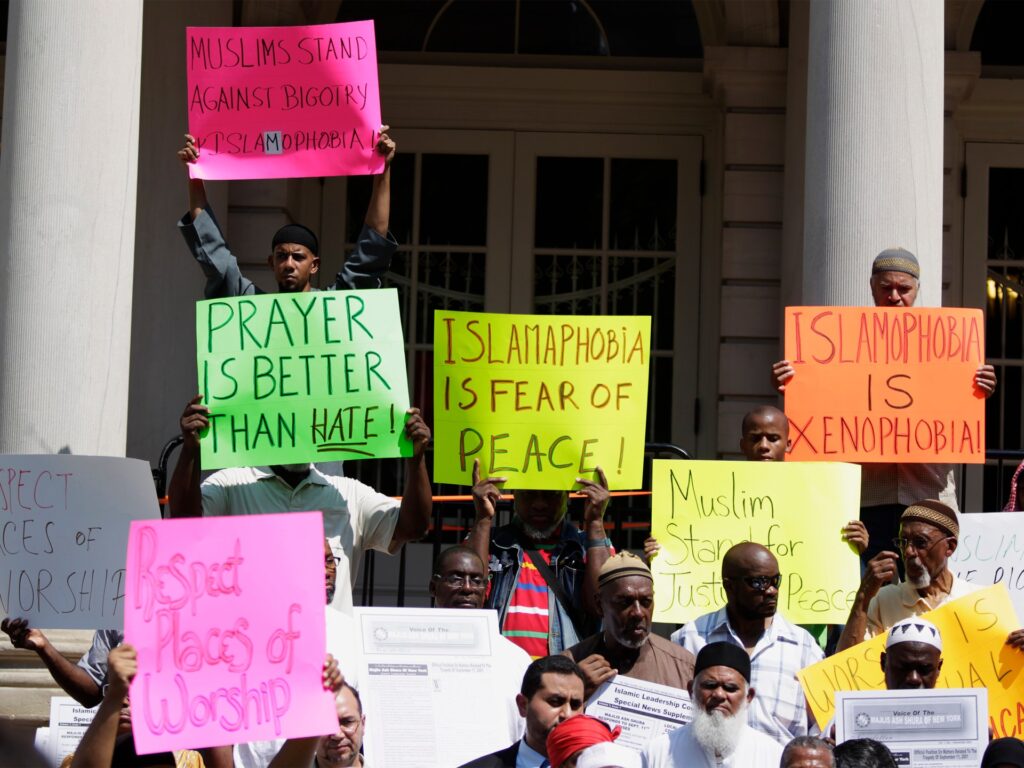
Islamophobia, defined as prejudice against or hatred of Islam and Muslims, has been a persistent issue in the US, often exacerbated by geopolitical events involving Muslim-majority countries. The current spike coincides with renewed military and diplomatic tensions, which appear to have catalyzed a wave of xenophobia and discrimination on social platforms.
Social media platforms like X provide a wide-reaching venue for the spread of such hate speech, rapidly amplifying the reach and impact of Islamophobic messages. This escalation in online hate speech presents a challenge for platform regulators and policy makers, who must balance freedom of expression with protecting vulnerable groups from targeted abuse.
Advocates and experts worry that the surge in Islamophobic posts may translate into real-world consequences, including increased hate crimes and discrimination against Muslim individuals. Community leaders are calling for stronger safeguards and educational efforts to counter misinformation and promote inclusivity.
The report serves as a stark reminder of the interconnectedness between global political conflicts and domestic social dynamics. It emphasizes the need for vigilant monitoring of hate speech and proactive strategies to foster understanding and tolerance in a deeply divided social media landscape.
Efforts to address the rise in Islamophobia include pushing for stricter enforcement of social media policies, investing in digital literacy programs, and encouraging public discourse that counters stereotypes and misinformation. Without concerted action, the polarization and hate manifesting online risk escalating into broader societal fractures.
As the situation continues to evolve, stakeholders across sectors—government, technology, civil society, and media—must collaborate to mitigate the harmful effects of conflict-driven hate speech. Promoting respectful dialogue and solidarity is crucial to protecting minority communities and maintaining social cohesion in the face of international crises.
In conclusion, the war on Iran has inadvertently ignited an alarming increase in Islamophobic hate speech in the US, with social media acting as a catalyst for spreading prejudice. This development calls for urgent attention and comprehensive responses to safeguard the rights and dignity of Muslim populations amidst rising global tensions.