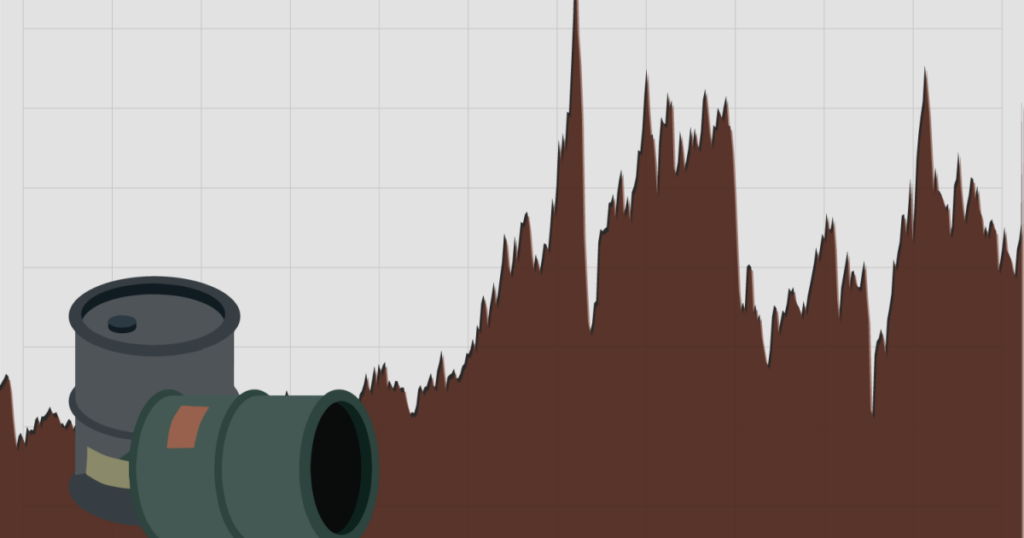
The ongoing conflict in Iran has led to a significant surge in oil prices globally, casting a ripple effect beyond just energy sectors and markedly impacting food costs. Oil and gas are not only essential for fueling transportation and industrial machinery but also serve as vital raw materials in the production of numerous goods, notably fertilizers used in agriculture.
The reliance of modern farming on fertilizers, which are largely derived from natural gas and oil, means that increases in oil prices drive up the costs of producing these crucial agricultural inputs. Fertilizers enable higher crop yields and more efficient food production; however, higher fertilizer prices can lead to reduced usage by farmers aiming to cut costs, which in turn can diminish crop yields.
Additionally, higher oil prices translate into increased transportation and operational expenses across the entire food supply chain. From planting and harvesting to processing, packaging, and delivery, every stage becomes more costly as fuel expenses escalate. This cumulative increase pushes the retail prices of food products upward, making food more expensive for consumers worldwide.
The repercussions are especially severe for staple foods, as they are heavily dependent on industrial agriculture practices. Increased food production costs may also exacerbate food insecurity in vulnerable regions that are already grappling with economic challenges.
Moreover, soaring oil prices can stimulate inflationary pressures in broader economies. As food constitutes a significant portion of household expenditures, rising food prices contribute notably to inflation, affecting overall economic stability and living standards.
In conclusion, the Iran war-induced spike in oil prices adversely impacts food costs by inflating the prices of fertilizers and increasing transportation costs. This situation presents a complex challenge for farmers, consumers, and policymakers who must navigate the intertwined sectors of energy and food to mitigate the consequences of geopolitical conflicts on essential commodity prices.