Al-Qard Al-Hassan is a financial institution with strong ties to Hezbollah, the Lebanese Shiite militant group and political party. Established as a financial cooperative, the institution primarily serves Hezbollah’s social welfare and economic activities within Lebanon. It operates as a non-profit credit association aimed at providing financial services such as loans and savings to its members, reinforcing Hezbollah’s social and economic infrastructure.
The institution is often described as a critical component of Hezbollah’s broader network, aiding in the distribution of funds and resources that support the group’s military and political operations. Its financial services help consolidate Hezbollah’s influence by fostering loyalty and dependency among communities that rely on its services.
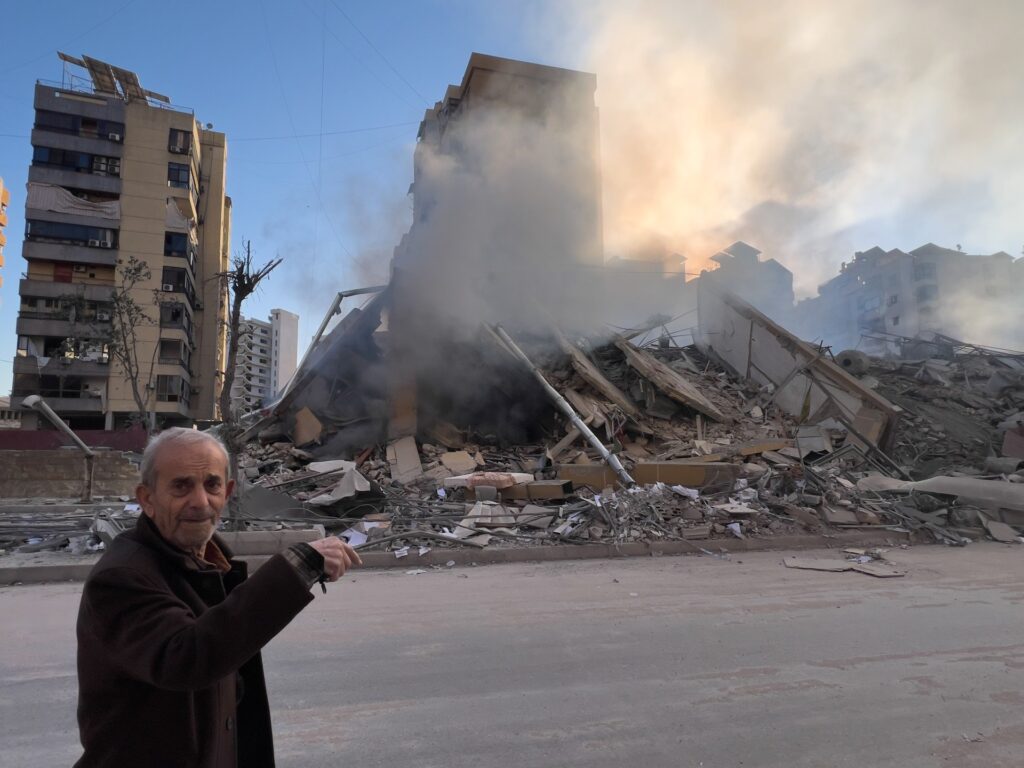
Reports indicate that Israel struck a branch of Al-Qard Al-Hassan, signaling the institution’s perceived importance in Hezbollah’s financial ecosystem. Israel views Hezbollah as a terrorist organization and targets its financial channels to weaken the group’s operational capabilities.
Al-Qard Al-Hassan’s operations extend beyond basic banking, as it plays a symbolic and practical role in Hezbollah’s strategy to maintain socio-political control within Lebanese society. It exemplifies how militant groups utilize financial institutions not only for money management but also as tools for social influence and political power.
The Israeli strike on the Al-Qard Al-Hassan branch highlights the ongoing conflict dynamics in the region, where financial infrastructures linked to militant groups are often targeted to disrupt their activities. This action reflects broader efforts by Israel to cut off Hezbollah’s funding sources, which are essential for sustaining the group’s extensive military and social projects.
In summary, Al-Qard Al-Hassan is much more than a financial cooperative; it is a vital instrument for Hezbollah in maintaining its economic foundation, social influence, and capacity to operate within Lebanon and beyond. Its targeting by Israeli forces underscores the entwined nature of finance and militancy in the region and the strategic importance of cutting off such networks in conflict scenarios.