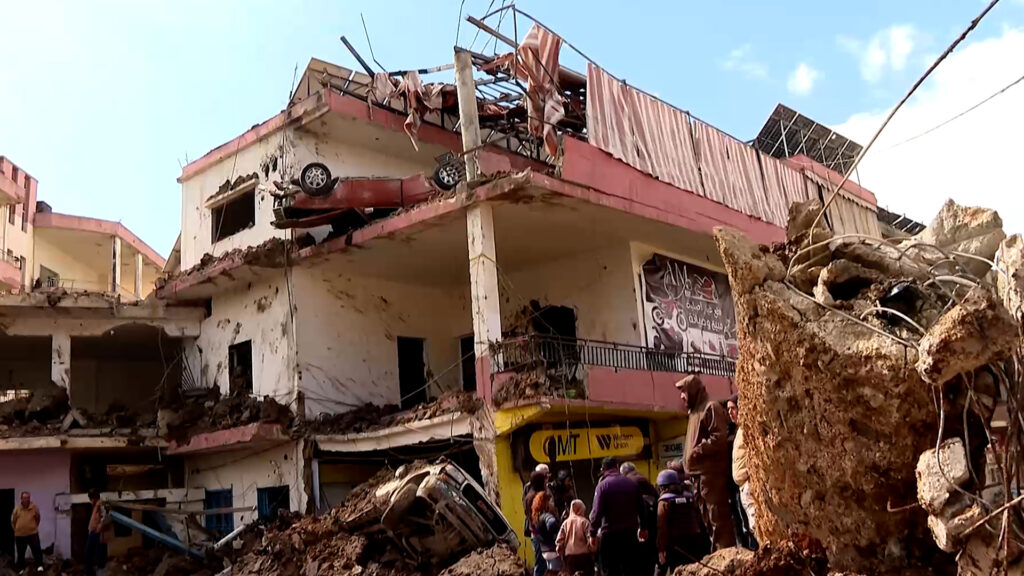
A recent clash between Hezbollah forces and Israeli troops has left a Lebanese village severely impacted, marking a tense escalation in an already volatile region. The skirmish, which erupted on the border, resulted in significant damage to the village infrastructure and displacement of its residents.
Lebanese authorities and residents reported that the village experienced heavy shelling and artillery fire from both sides during the confrontation. Buildings, homes, and local businesses were damaged or destroyed, leaving many families homeless and in urgent need of humanitarian aid.
The altercation began after a series of provocations and mutual accusations, with Hezbollah claiming to have repelled Israeli incursions, while Israel asserted that its forces were responding to cross-border attacks. The conflict underscores the fragile security situation in southern Lebanon, where frequent tensions and hostilities jeopardize the safety and stability of local populations.
In the aftermath, relief efforts have been mobilized by Lebanese governmental agencies and international organizations to provide emergency shelter, medical assistance, and food supplies to the affected villagers. Volunteers and aid workers face considerable challenges due to damaged roads and ongoing security concerns.
Psychological trauma is also a pressing issue, as many villagers experienced intense fear and uncertainty during the clashes. Mental health professionals are advocating for increased support and counseling services to help the community recover from the effects of violence.
Local leaders have called for de-escalation and dialogue to prevent further violence and promote peace in the region. They emphasize the necessity of political solutions and diplomatic engagements to address the root causes of the conflict.
The international community has expressed concern over the escalation, urging restraint from all parties involved and increased efforts toward peace negotiations. The United Nations has reiterated the importance of respecting Lebanese sovereignty and safeguarding civilian lives.
As the village begins to rebuild, the scars of conflict remain evident. Infrastructure repair and economic recovery are expected to be prolonged processes, requiring substantial support and investment. The villagers’ plight highlights the broader implications of ongoing hostilities between Hezbollah and Israel on the stability of the Middle East.
This incident serves as a stark reminder of the human cost of regional confrontations and the urgent need for comprehensive peace initiatives to ensure long-term security and prosperity for the communities caught in the crossfire.