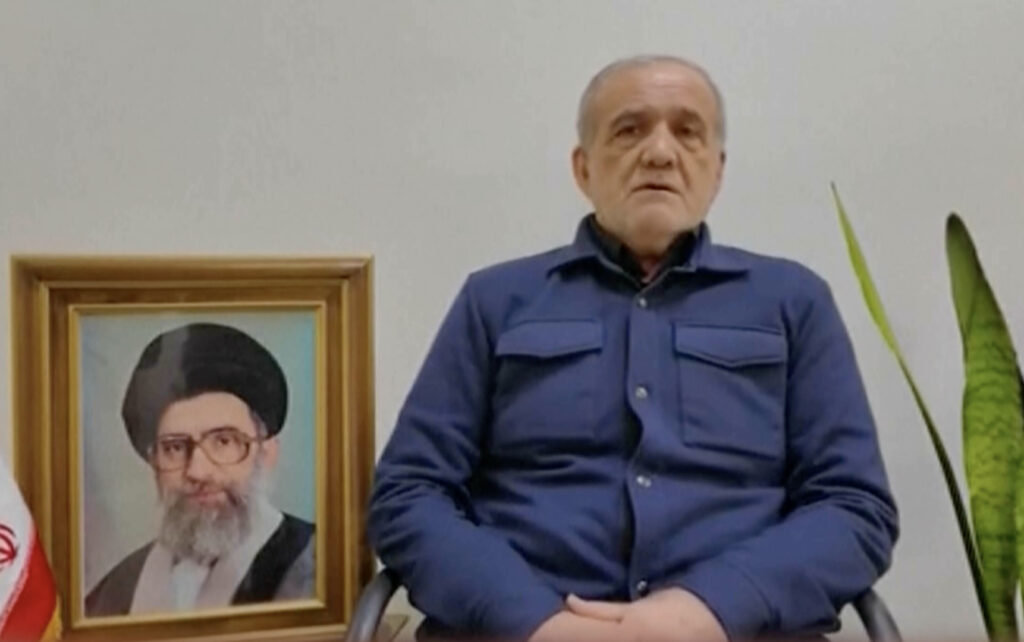
In a surprising and significant development, Iran’s President Masoud Pezeshkian has publicly apologized for the attacks launched by Iran on its neighboring countries. This apology came during a pre-recorded address broadcasted to the nation and international audiences alike, marking a critical moment of reflection and potential diplomatic shift for the country.
President Pezeshkian’s apology represents an unprecedented gesture, acknowledging the harm caused by Iran’s military actions in the region. These attacks have been a source of tension and conflict, impacting regional stability and diplomatic relations.
In his address, Pezeshkian expressed regret for the violence and destruction that the attacks inflicted on neighboring states, emphasizing a commitment to peace and reconciliation moving forward. This statement may signal a new approach in Iran’s foreign policy, focusing on dialogue rather than confrontation.
The context of these attacks spans complex historical, political, and security issues in the Middle East, where border disputes, ideological differences, and proxy conflicts have long caused friction between Iran and its neighbors. Pezeshkian’s apology may be aimed at easing these tensions and opening the door to renewed diplomatic talks.
Regional leaders and international observers have responded with cautious optimism, welcoming the apology but urging concrete actions to back the words. The statement offers a potential foundation for rebuilding trust and establishing long-term peace agreements across the region.
This announcement also raises questions about the internal political dynamics in Iran. It suggests possible shifts within the government toward moderation, or reactions to external pressures such as sanctions, diplomatic isolation, or economic challenges.
The President’s address was notably pre-recorded, which may indicate careful planning and consultation behind the scenes. It highlights the sensitivity of the issue both domestically and internationally.
For the people in the neighboring countries affected by Iran’s attacks, this apology may bring a measure of relief, though skepticism remains given the history of conflict and the difficulty of achieving lasting peace in the region.
International bodies such as the United Nations have not yet issued a formal response, but the global community is closely monitoring developments following this unexpected admission by Iran’s leadership.
Looking ahead, the critical test will be whether Iran follows up this apology with meaningful actions, including ceasing aggressive operations, engaging in peaceful negotiations, and addressing the grievances that led to the conflicts.
The apology by President Pezeshkian potentially marks a turning point for Iran and its approach to regional relations. It opens a dialogue about reconciliation that is much needed for the stability of the Middle East.
This moment may also influence other regional players to reconsider their strategies and commitments toward peace and cooperation.
As events unfold, the international community, regional governments, and ordinary citizens will watch closely to see if this expression of regret can transform into a genuine peace process.
In summary, the apology issued by Iran’s President is a hopeful sign amidst ongoing challenges. It underscores the power of leadership to confront past mistakes and take steps toward healing and harmony in one of the world’s most volatile regions.