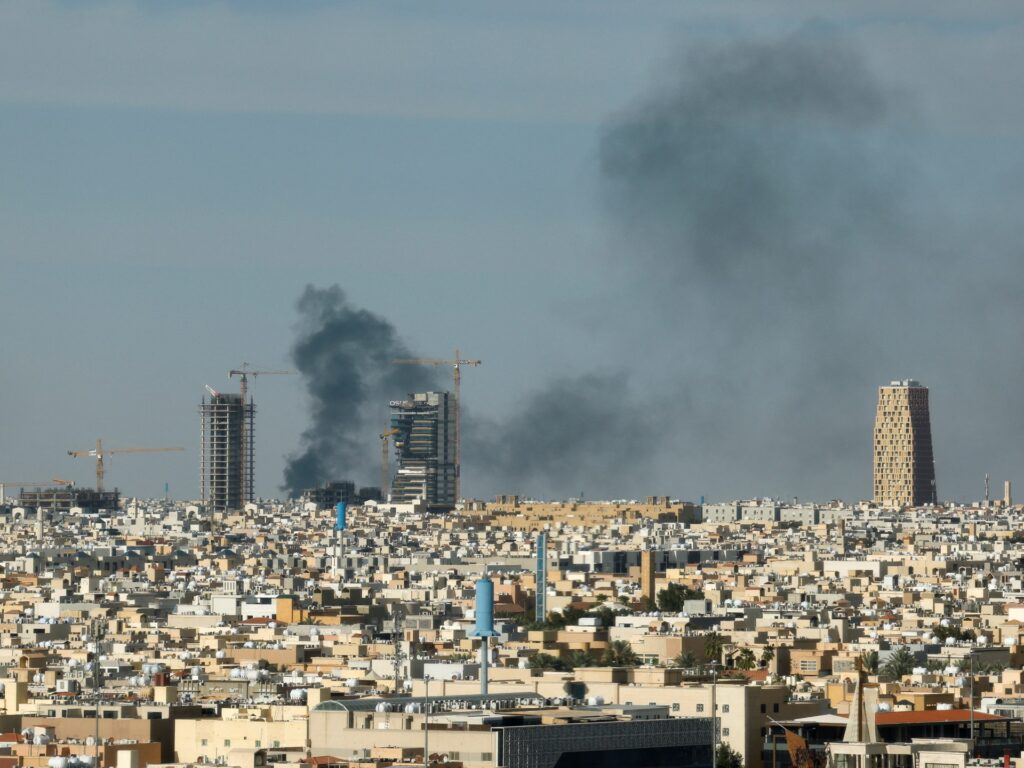
Recently, a significant escalation in drone and missile activity linked to Iran has been reported over key Gulf countries, including Saudi Arabia, the United Arab Emirates (UAE), and Qatar. This development marks a concerning surge in regional tensions and highlights ongoing security challenges in the Gulf.
According to official reports, Saudi Arabia and the UAE successfully intercepted several missiles launched from Iranian territory. These defensive actions underscore the countries’ advanced military capabilities and their readiness to respond against aerial threats. The interceptions prevented potential damage and loss of life, reflecting the heightened alertness and strategic importance placed on protecting critical infrastructure and population centers in these nations.
In addition to missile interceptions, Qatar revealed that it endured a wave of drone attacks originating from Iran. Specifically, Qatar stated that ten drones were launched toward its territory, out of which nine were successfully intercepted by its defense systems. This incident signals a worrying trend of increased use of unmanned aerial vehicles (UAVs) as instruments of aggression, which pose intricate challenges for national security and air defense frameworks.
The Gulf Cooperation Council (GCC) nations have historically experienced fluctuating levels of tension with Iran, primarily due to geopolitical, sectarian, and strategic interests. These recent attacks are likely to exacerbate existing frictions and could lead to diplomatic confrontations or military escalations if not managed carefully.
Experts point out that the rise in drone and missile use demonstrates a shift in warfare tactics in the region. Drones offer asymmetric capabilities allowing less costly and riskier operations far from conventional battlefields. Their deployment by Iran in this context may be part of broader efforts to project power and influence while challenging rival states indirectly.
In response to these events, Saudi Arabia, the UAE, and Qatar have likely intensified cooperation on intelligence sharing and joint military preparedness within the framework of the Gulf Cooperation Council. Enhanced surveillance, missile defense upgrades, and diplomatic engagements are probable measures designed to address and deter such aerial threats.
The international community remains watchful as the situation unfolds, emphasizing the importance of stability in the geopolitically sensitive Gulf region, which is a vital global energy supplier. Continued aggression could disrupt energy supplies and markets worldwide, further emphasizing the stakes involved.
Calls for dialogue and conflict resolution mechanisms have been amplified by various global powers and regional actors alike. The hope remains that diplomatic channels will prevail over further military confrontations, fostering a more secure and stable environment for all Gulf nations.
In conclusion, the interception of Iranian missiles over Saudi Arabia and the UAE, alongside the thwarted drone attacks on Qatar, highlight a pronounced threat emanating from Iran in the Gulf. These developments underscore the urgent need for heightened vigilance, enhanced defense capabilities, and robust diplomatic efforts to restore peace and security in the region.