In a forceful condemnation, a prominent Spanish politician has criticized individuals and groups who use feminism as a justification for the ongoing war in Iran. The politician emphasized that this exploitation of feminist ideals distorts the actual struggle for women’s rights in Iran and worldwide.
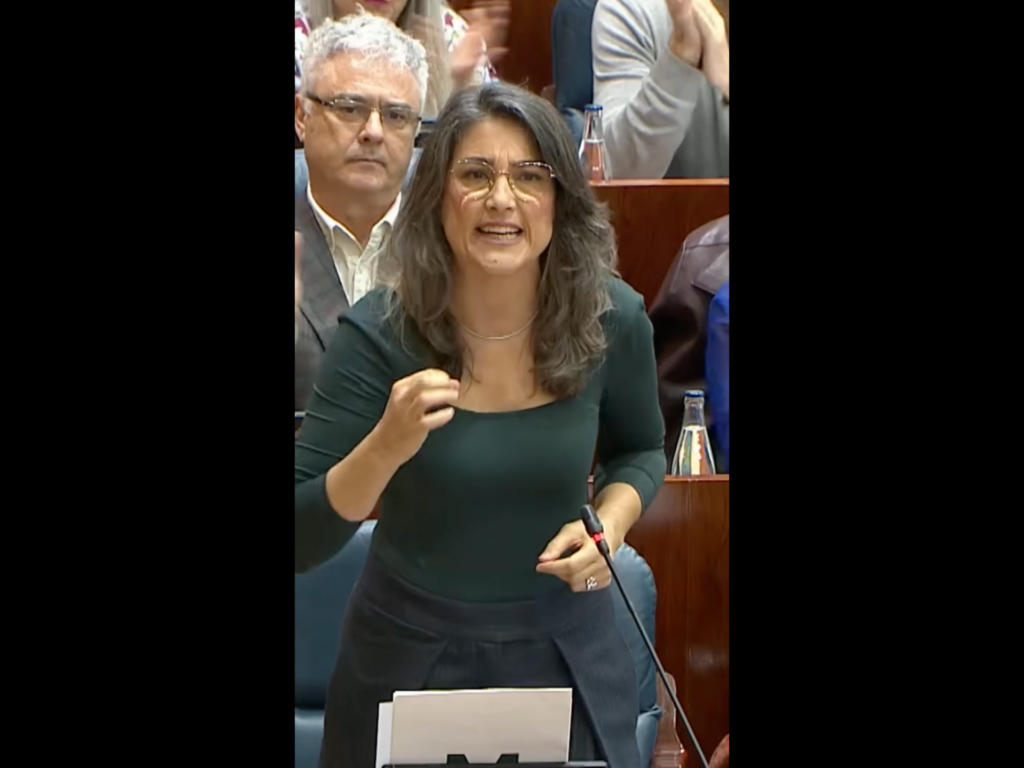
During a recent speech, the politician stated, “This is how the right defends the rights of Iranian women: by celebrating the murder of 160 girls.” These words were directed at those purportedly supporting military or political interventions under the guise of protecting women’s rights in Iran, but who, according to the politician, actually celebrate violence and loss of innocent lives.
The statement references a tragic event involving the death of 160 girls, symbolizing the devastating consequences of conflict and violence falsely legitimized by misusing feminist rhetoric. The politician accuses elements of the political right of appropriating women’s rights discourse to justify aggressive foreign policy and war, thereby betraying the true aims of feminism.
This criticism comes amid heightened tensions in Iran, where women’s rights have become a global focal point due to protests, government crackdowns, and international diplomatic responses. While advocacy for the freedom and rights of Iranian women remains crucial, the Spanish politician warns against the dangers of conflating feminist advocacy with militaristic agendas.
Experts note that such exploitation risks undermining both peace efforts and the genuine progress toward gender equality. By turning the cause of women’s rights into a tool for justifying conflict, the core message of feminism — equality, justice, and peace — is overshadowed by violence and destruction.
The international community is called upon to support Iranian women through peaceful means, humanitarian aid, and diplomatic engagement rather than endorsing war or military interventions that result in further suffering.
This statement by the Spanish politician highlights a broader debate about the intersection of feminist ideals and international politics. It raises critical questions about how best to support oppressed groups globally without compromising on principles or endorsing violence.
In conclusion, the Spanish politician’s remarks serve as a reminder to critically assess the motivations behind political strategies and to safeguard the true values of feminism. Genuine support for women’s rights, particularly in volatile contexts like Iran, requires a commitment to peace, justice, and respect for human life rather than the pursuit of war disguised as liberation.