In recent developments, Iranian officials have vocally dismissed attempts by former U.S. President Donald Trump to influence Iran’s political future, particularly his push to have a say in the selection of the country’s supreme leader. Central to the discourse is Mohammad Bagher Ghalibaf, a prominent Iranian political figure, who emphatically stated that Iran’s destiny will be decided solely by Iranians, not by external actors such as Trump.
Ghalibaf, who serves as Speaker of the Iranian Parliament, metaphorically referred to Trump’s associates as “Epstein’s gang,” underscoring their perceived illegitimacy and notorious reputation. This pointed comment reflects the Iranian leadership’s strong resistance to foreign intervention, especially from the United States, in its sovereignty and internal decision-making processes.
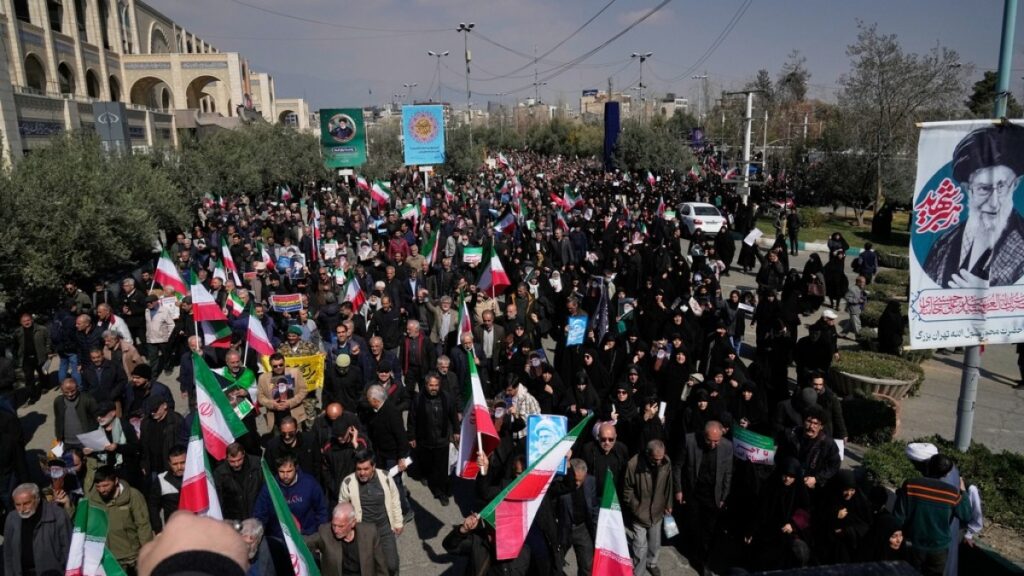
The insistence that Iranians alone will determine their country’s future highlights the broader theme of national self-determination that has been pivotal in Iran’s political narrative. This stance reinforces Iran’s commitment to safeguard its political system and leadership from external pressure, a recurring point of contention between Iran and Western powers.
Trump’s recent actions point to his desire to play a role in Iran’s internal affairs, particularly regarding the appointment of the supreme leader, a role of immense political and religious significance in Iran. However, Iranian officials emphasize that such decisions involve complex domestic considerations, reflecting the will of their people, which cannot be dictated or influenced by foreign entities.
This exchange underscores the deep geopolitical tensions between Iran and the U.S., highlighting the ideological and strategic divides that continue to shape their bilateral relations. Tehran’s message is clear: no matter the international pressures or provocations, the sovereignty of Iran will remain intact and its political future will be charted by its own citizens.
The context of these remarks comes amid ongoing discussions and international scrutiny concerning Iran’s leadership structure and nuclear program, issues that frequently place the country at the center of global diplomatic efforts. Iranian officials’ firm rebuttal to Trump’s claims serves as a reminder of the complex interplay between domestic politics and international diplomacy in the Middle East.
In conclusion, Iran remains steadfast in its resolve to protect its internal affairs from external interference, with officials like Ghalibaf vocalizing a widespread sentiment across the country. Their assertion that Iran’s fate lies in the hands of its people rather than foreign figures significantly shapes the narrative around Iranian sovereignty and global diplomacy in the current era.