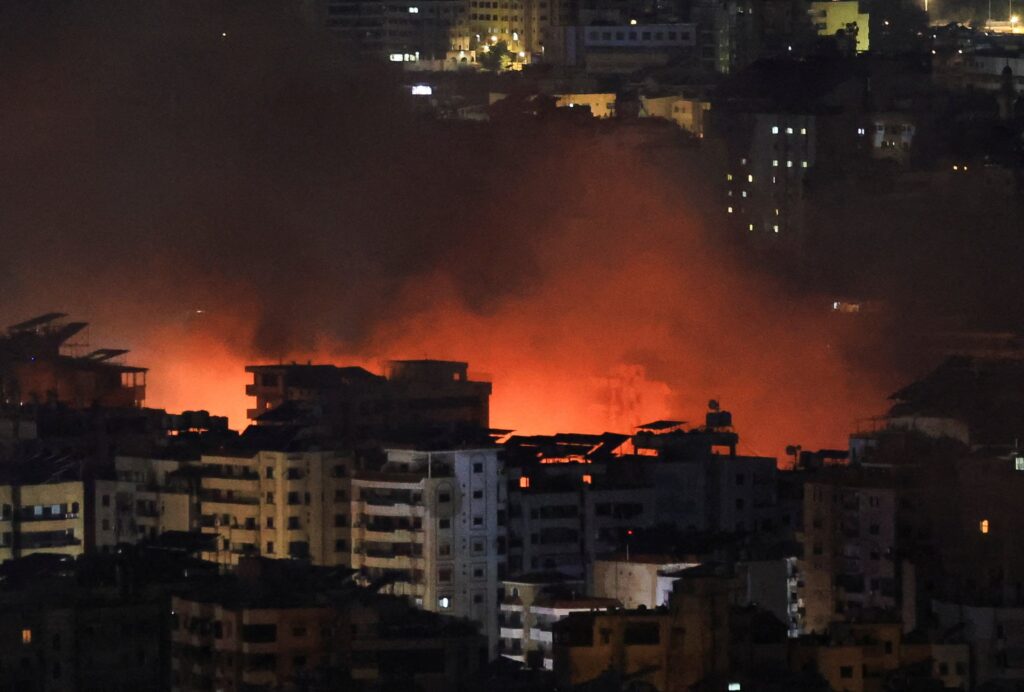
In a dramatic escalation of conflict, more than 120 people have been reported killed following a series of Israeli attacks targeting Lebanon. The strikes have primarily hit Beirut and regions to the south and east, causing extensive damage and significant casualties.
The violence marks one of the deadliest outbreaks in the recent history of Israeli-Lebanese relations. In response to the ongoing bombings, Lebanon’s Hezbollah group has urgently called on Israeli civilians residing near the border to evacuate immediately to safer areas to avoid further casualties.
These developments come amid a volatile backdrop of longstanding tensions between Israel and Hezbollah, which have frequently escalated into violent confrontations. The precise motivations behind this latest round of attacks have not been officially disclosed, but they are widely seen as a part of the broader regional struggle involving multiple state and non-state actors.
Medical facilities in the affected areas are overwhelmed, dealing with the influx of injured and managing the aftermath of widespread destruction. Emergency services continue to operate under challenging circumstances, striving to provide aid and restore basic infrastructure.
The international community has expressed growing concern over the escalation, urging all parties to exercise restraint to prevent further loss of life and destabilization in an already precarious region.
The situation remains highly fluid, with ongoing military activities and the possibility of further confrontations looming. Authorities in Lebanon and Israel have yet to comment on prospects for de-escalation or negotiations, and the civilian populations on both sides remain on high alert amid fears of a broader conflict.