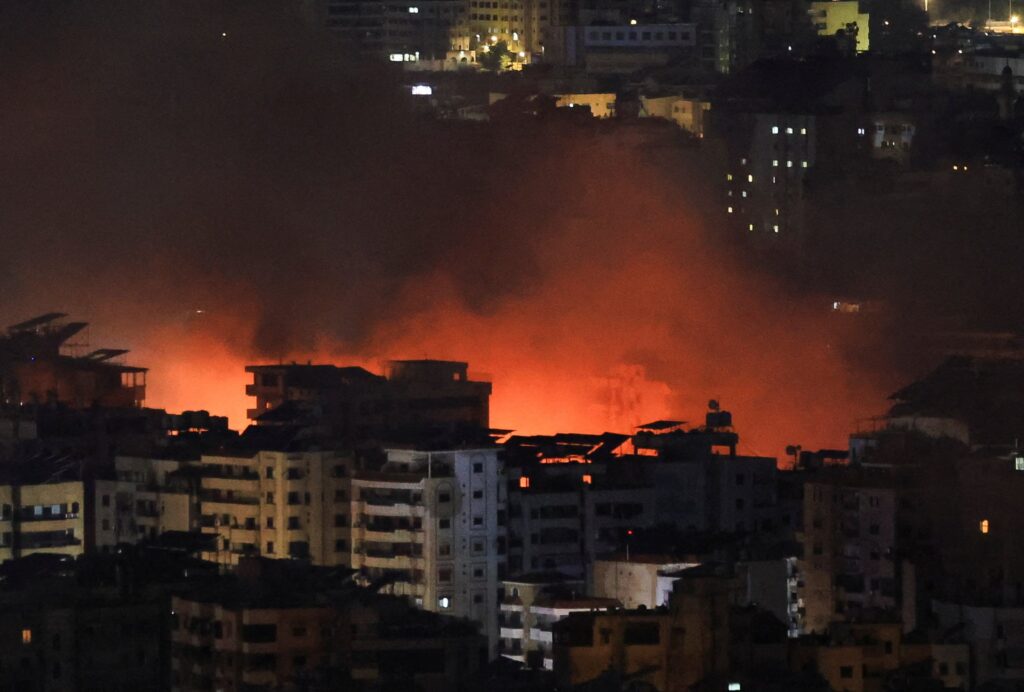
The ongoing conflict between Israel and Lebanon has resulted in a devastating death toll exceeding 120 people, as Israeli forces continue their aggressive military actions along the Lebanese border. The latest airstrikes have struck multiple locations across Lebanon, including Beirut, the southern regions, and the east, causing significant casualties and widespread destruction.
Lebanon’s Hezbollah group, a powerful and influential Shia Islamist political and militant organization, has responded to the escalating violence by urging Israelis living near the border areas to evacuate immediately. Hezbollah’s call for evacuation highlights the increasing tensions and the risk of further intensified military confrontations in the region.
The attacks come amid a backdrop of heightened hostilities, with Israel focusing its air campaigns against targets it associates with Hezbollah, which is based in Lebanon and has long been in conflict with Israel. The strikes have not only targeted supposed militant strongholds but have also impacted civilian areas, raising concerns over humanitarian conditions.
Beirut, Lebanon’s capital, has witnessed some of the most severe bombings in recent days, with residential and commercial areas suffering damages. The southern parts of Lebanon, traditionally strongholds for Hezbollah and areas that have experienced conflict in previous wars, are again caught in the crossfire.
The eastern regions of Lebanon, less frequently in the spotlight during conflict periods, have also been struck, suggesting a broadening scope of the Israeli military campaign. This expansion intensifies fears of a larger conflict involving multiple fronts within Lebanon.
Casualty figures continue to climb as rescue and medical teams work tirelessly to attend to the injured and recover the dead. The international community has expressed alarm over the violence, calling for restraint and urging both sides to avoid further escalation that could destabilize the region even more profoundly.
Humanitarian organizations have warned of a growing crisis, as the destruction of infrastructure and displacement of populations strain Lebanon’s already fragile social and economic systems. Access to medical services, food, water, and shelter has become increasingly difficult for many affected by the conflict.
The situation remains highly fluid, with ongoing air raids and ground operations reported. Hezbollah’s warnings to Israeli civilians underscore the group’s readiness to respond and the potential for the conflict to expand beyond current boundaries. Both sides appear locked in a bitter struggle, with no immediate end in sight.
As the death toll mounts and communities endure severe hardships, calls for international intervention and peace talks grow louder. The hope remains that diplomatic efforts might soon pave the way for a ceasefire and a resolution to one of the region’s longstanding and deeply complex conflicts.