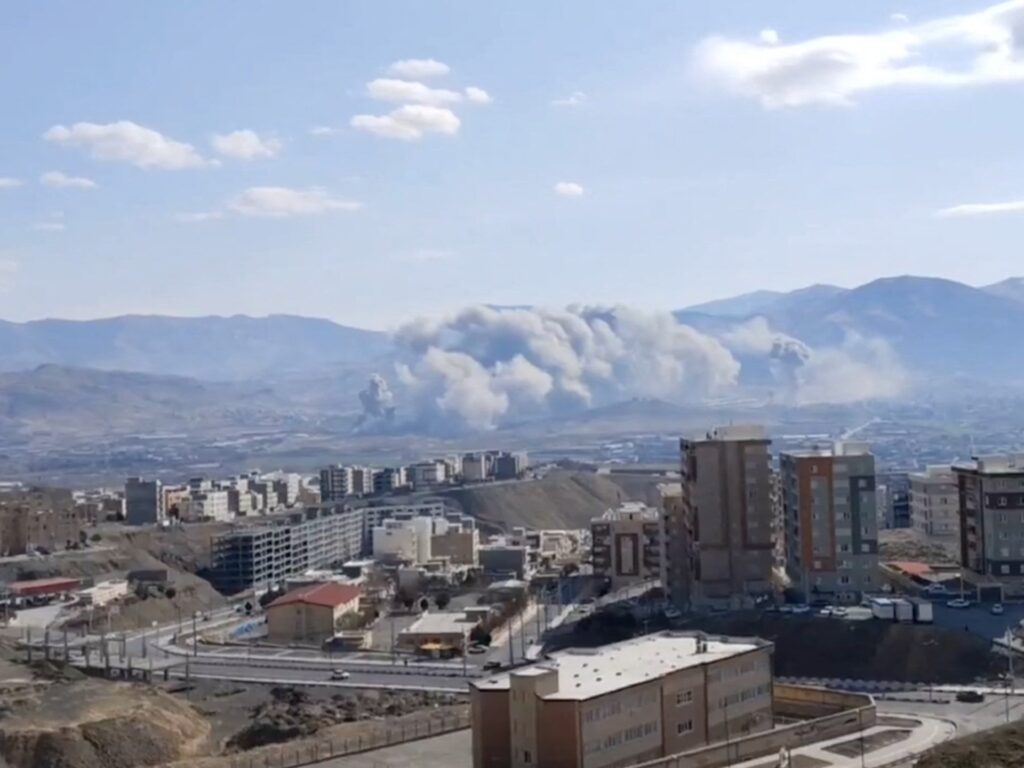
The Iran war has intensified as it enters the seventh day of continuous US and Israeli military operations targeting Iranian positions. This escalation follows a week of sustained attacks, marking a significant surge in regional tensions across the Middle East.
Since the initial strikes, the combined forces of the United States and Israel have aimed to cripple Iran’s strategic military infrastructure and diminish its influence throughout the Middle East. The campaign reportedly includes air raids, missile strikes, and cyber operations designed to disrupt Iran’s logistical capabilities.
On day seven, reports indicate an increase in the scale and intensity of the attacks. Iranian officials have confirmed casualties among their military personnel and have condemned the actions as aggressive violations of their sovereignty. The Iranian government has vowed to respond decisively to these hostilities, raising concerns about possible retaliation.
The conflict’s impact extends beyond direct military engagement, with heightened alert levels across neighboring countries. Nations in the Gulf Cooperation Council (GCC) have expressed deep concern over the potential for the conflict to spill over into their territories, prompting emergency meetings and increased security measures.
International reactions have been mixed. While the US and Israel justify their operations as necessary for regional security and countering Iran’s nuclear ambitions, many countries and international organizations call for immediate de-escalation. The United Nations has urged restraint from all parties and emphasized the importance of diplomatic solutions.
Economic repercussions are already being felt globally, particularly in energy markets. Iran plays a crucial role in global oil supply, and the uncertainty surrounding the conflict has driven up oil prices, affecting economies worldwide.
Humanitarian concerns are rising, with reports of civilian casualties and displacement in affected areas. Relief organizations are calling for safe corridors to assist those impacted by the escalating violence.
The US-Israel campaign against Iran reflects broader geopolitical struggles, involving proxy conflicts and competing interests in the Middle East. Analysts warn that prolonged conflict could destabilize the region further, potentially drawing in additional actors and complicating international relations.
Diplomatic channels remain open but fragile. Efforts by major powers to mediate have thus far been limited, with little breakthrough in reducing hostilities. The coming days are critical in determining the conflict’s trajectory and the possibility of either escalation or resolution.
As day seven concludes, the world watches closely, hopeful for a de-escalation but preparing for the ramifications of continued warfare. The Iran war underscores the fragile balance of power in the Middle East and highlights the urgent need for comprehensive diplomatic engagement to prevent widespread conflict.