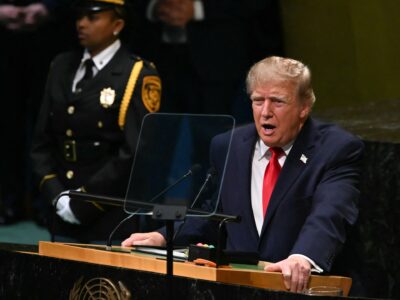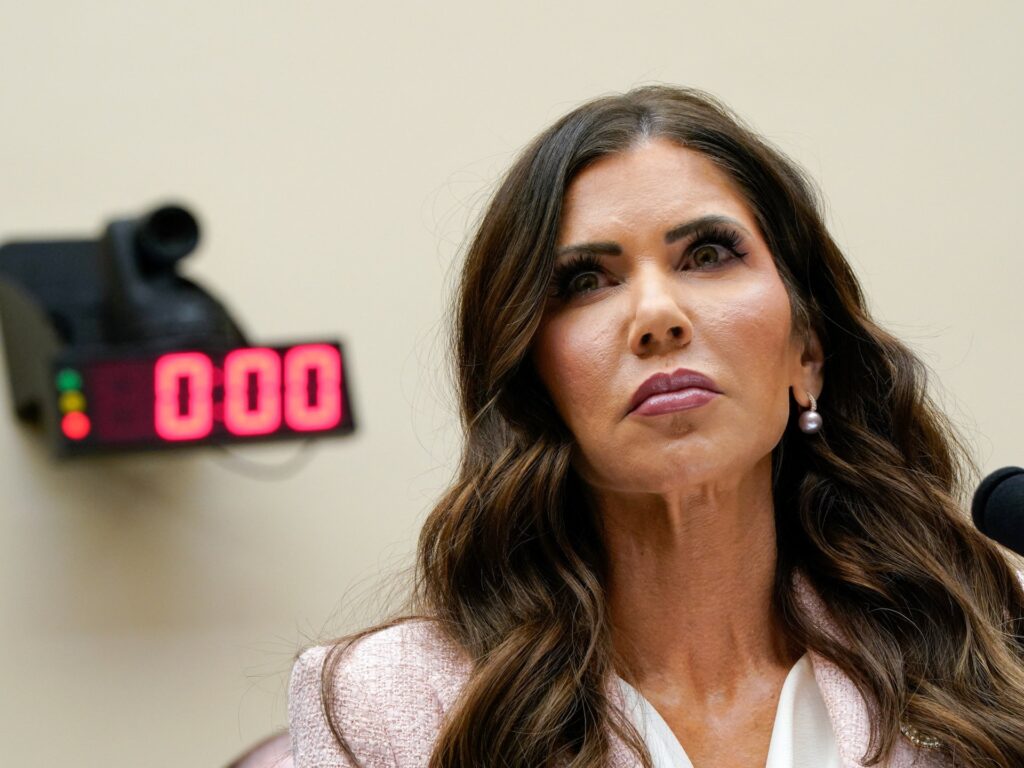
In a significant shakeup within the Trump administration, President Donald Trump has dismissed Kristi Noem from her position as the head of the Department of Homeland Security (DHS). Noem, who is a former governor and had become a key figure in the administration’s stringent immigration policies, was widely recognized for her role in the controversial crackdown on immigration enforcement.
Kristi Noem’s tenure at DHS was marked by aggressive measures aimed at controlling the southern border and curbing illegal immigration. Her policies and public stance drew both support and criticism from various political and social groups. Supporters applauded her for prioritizing national security and enforcing immigration laws, while opponents criticized the humanitarian impact of the crackdown.
Following Noem’s dismissal, President Trump has appointed Mullin as her replacement. Mullin, whose background and credentials have yet to be fully detailed, is expected to continue the administration’s focus on border security and immigration enforcement. This leadership change signals that the Trump administration is intent on maintaining a tough stance on immigration issues moving forward.
Noem’s departure marks a notable transition in the DHS leadership at a time when immigration remains a highly sensitive and divisive topic across the United States. The replacement choice reflects the administration’s ongoing priorities and possibly new strategies addressing homeland security challenges.
Experts and analysts are closely watching how Mullin will shape the department’s policies in the coming months. The Homeland Security Department plays a crucial role in protecting national borders, responding to threats, and coordinating efforts related to immigration and customs enforcement.
The exact reasons for Noem’s firing have not been officially disclosed, but sources suggest differences in policy direction and internal administrative conflicts could have played a role. Noem’s legacy will include her alignment with Trump’s approach to immigration which has had lasting effects on immigration policy and enforcement nationwide.
As the nation awaits more detailed statements from the White House and the new DHS leader, the political landscape continues to react to these developments. The move may have implications for future legislative proposals and federal agency operations related to homeland security.
In conclusion, the replacement of Kristi Noem with Mullin underscores the Trump administration’s unwavering commitment to a hardline immigration policy. It also highlights the ongoing complexities and challenges in managing the nation’s homeland security apparatus during a turbulent period in U.S. political history.