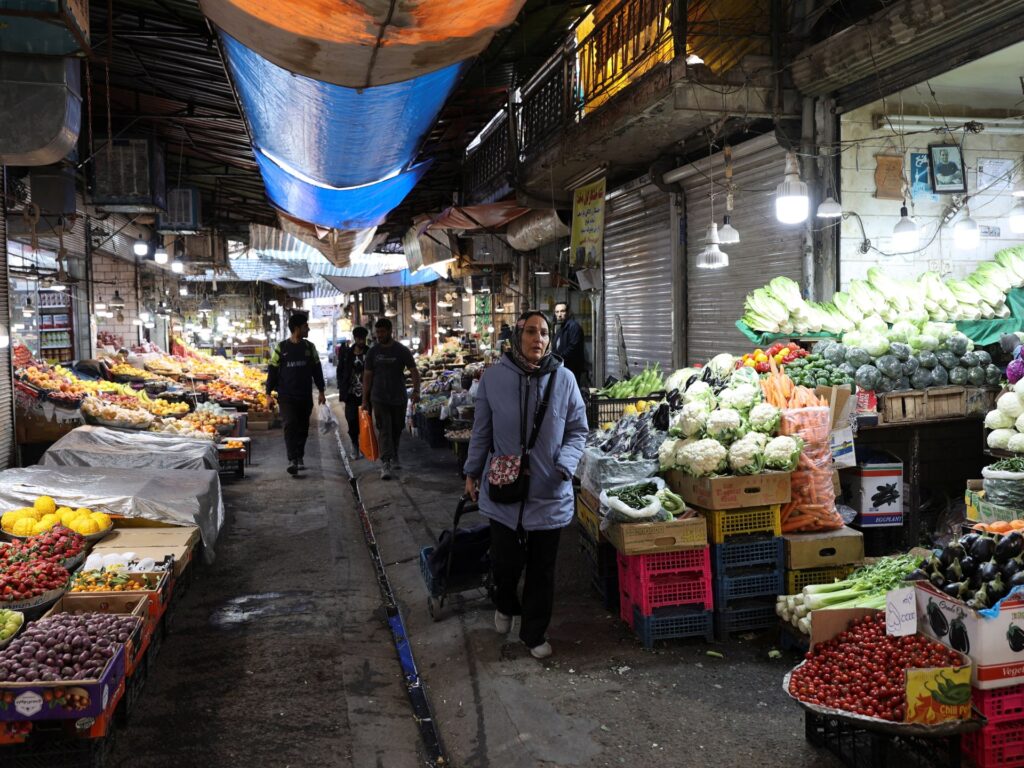
In a tense and harrowing situation, Iranians are coping with the ongoing bombardments by US and Israeli forces. Despite the intense airstrikes, officials report that water and electricity infrastructure have suffered some damage. However, so far, these damages have not resulted in widespread outages, allowing daily life to continue amidst the chaos.
The government has also imposed internet restrictions, further complicating communication and access to information for the population. The blocking of internet services is seen as part of the broader security measures during the crisis, but it adds another layer of difficulty for residents trying to stay connected with loved ones and keep abreast of developments.
Authorities continue to investigate the full extent of the damage and are mobilizing resources to maintain critical services. Emergency teams are on standby to address any escalations and to restore utilities if necessary.
Citizens are urged to remain cautious and comply with civil defense advisories. The resilience of the Iranian people is being tested as they navigate this challenging period marked by conflict and restricted communication.
Analysts note that the situation remains fluid, with the potential for further attacks or retaliations, making the preservation of infrastructure and public safety paramount. The international community watches closely as events unfold, hopeful for a resolution that avoids escalation and safeguards civilian lives.
In summary, while the US-Israeli bombing campaign has caused localized damage to essential services in Iran, the country has not yet experienced widespread utility failures. The internet blackout compounds the difficulties faced by the population but is part of the broader security response. The coming days are critical for humanitarian efforts and political developments alike, as Iranians strive to endure under extraordinarily challenging conditions.