Recent developments in the ongoing conflict between Iran and Azerbaijan have escalated as Azerbaijani authorities confirmed a drone attack targeting an airport in Nakhchivan, an Azerbaijani exclave. The incident marks a significant intensification in the regional hostilities and has prompted tense exchanges between the two nations.
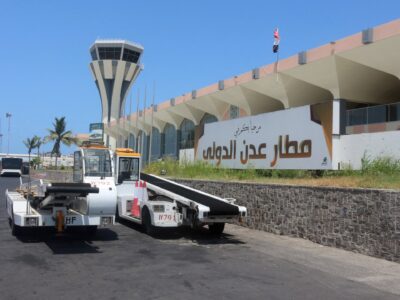
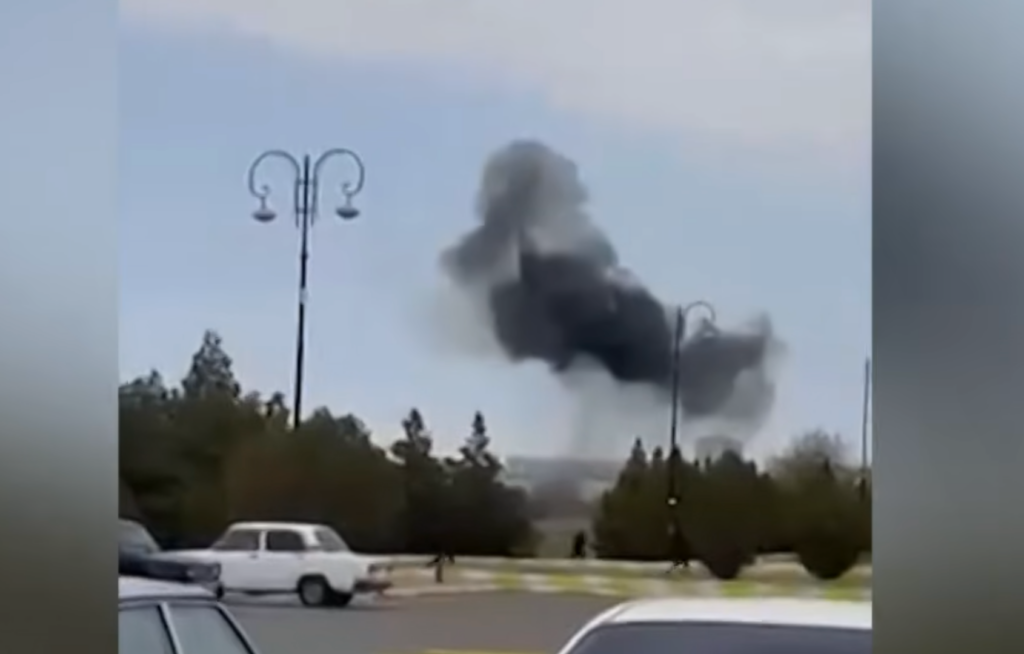
According to Azerbaijani officials, the drone strike occurred at the Nakhchivan airport, causing damage and raising alarms over security in the area. Azerbaijani authorities have condemned the attack and asserted their sovereign right to respond appropriately to any aggression threatening their territory.
However, Iran has categorically denied any involvement in the drone strikes. Iranian officials refute the allegations, stating that their nation did not conduct the attack, and called for restraint and peaceful negotiations to resolve ongoing disputes.
The region of Nakhchivan holds strategic importance due to its geographical position as an exclave separated from mainland Azerbaijan by Armenian territory. This unique positioning has made Nakhchivan a focal point of regional tension, especially with historical conflicts involving Armenia, Azerbaijan, and now, alleged Iranian involvement.
Observers note that the drone attack, whether conducted by Iranian forces or actors affiliated or sanctioned by Iran, represents a dangerous escalation. The use of unmanned aerial vehicles (UAVs) in the conflict zone signals an evolution in tactics, potentially leading to more covert and targeted strikes.
Azerbaijan’s response to the incident indicates a possible intensification of military actions and heightened security measures in Nakhchivan. The government’s statement about having the right to an “appropriate response” suggests readiness to retaliate or increase defensive operations to safeguard territorial integrity.
The denial from Tehran complicates diplomatic efforts to de-escalate tensions. Iran’s official stance aims to prevent the broadening of conflict while maintaining its influence in the region. Nevertheless, the accusation itself exacerbates mutual distrust and fuels the potential for an expanded confrontation.
Regional powers and international observers have expressed concern over the potential fallout from these developments. The Nakhchivan incident risks drawing in external actors and further destabilizing the fragile balance of peace in the South Caucasus.
Efforts by international mediators to encourage dialogue remain critical to preventing further violence. The unresolved dispute over the drone strike underscores the necessity for clear communication channels and conflict resolution mechanisms.
The situation in the South Caucasus, particularly regarding the relationships among Azerbaijan, Iran, and their neighbors, remains volatile. The drone attack on Nakhchivan’s airport is a stark reminder of the ongoing security challenges and the urgent need for diplomatic engagement to avoid escalation.
In summary, the confirmed drone attack on the Azerbaijan exclave of Nakhchivan and Iran’s denial of involvement have deepened tensions between the two countries. Azerbaijan’s firm stance on responding appropriately and the strategic importance of Nakhchivan highlight the complexity of the conflict. The international community continues to watch closely, urging restraint to prevent broader military conflict in the region.