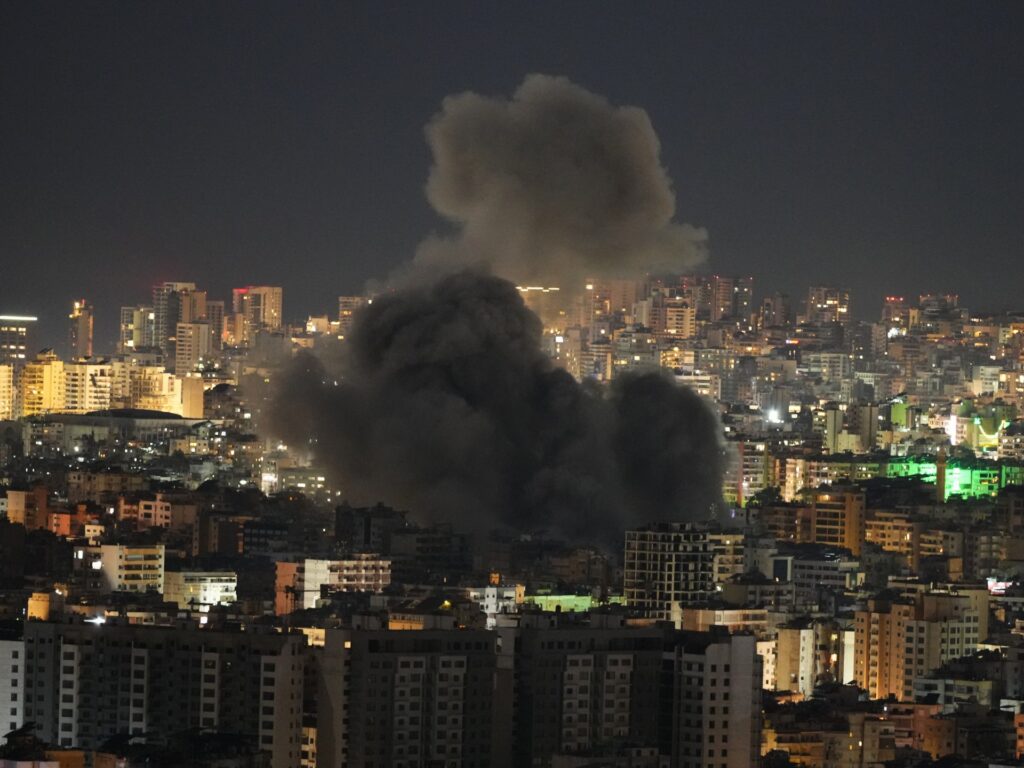
In a significant escalation of regional tensions, Israeli military forces launched a series of attacks in Lebanon, resulting in the deaths of eight individuals. The strikes primarily targeted Beirut’s southern suburbs, a region known for its political and militant activity. This surge in violence comes amid heightened threats against Iranian officials, signaling a broader geopolitical struggle in the Middle East.
The Israeli Defense Forces (IDF) reported conducting precision strikes targeting what they described as militant positions and infrastructure in the southern suburbs of Beirut. The IDF stated that these operations were a response to recent threats and to prevent attacks emanating from Lebanese territory. However, the Lebanese health authorities confirmed that among the victims there were civilians, raising international concerns about the humanitarian impact of the conflict.
Simultaneously, Iran issued stern warnings against any acts targeting its embassy or officials within Lebanon. Iranian officials emphasized that such actions would have severe repercussions and increase instability in the already volatile region. This pronouncement highlights the growing contest between Israel and Iran, with Lebanon being a critical arena for their proxy confrontations.
The southern suburbs of Beirut have long been a hotspot due to the presence of Hezbollah, a Shiite militant and political group allied with Iran. Israel regards Hezbollah as a significant threat to its national security and frequently engages in military operations to counteract their activities and diminish Iranian influence.
The international community has expressed concern over the escalation, calling for restraint and urging both sides to avoid actions that could spiral into a broader conflict. The United Nations and various diplomatic entities have echoed the need for dialogue to address the underlying issues driving this violence.
Analysts suggest that the recent attacks and threats are indicative of a shifting strategic calculus, where Israel aims to deter Iranian entrenchment in Lebanon, while Iran seeks to assert its regional influence through proxies. This dynamic continues to complicate peace efforts and exacerbate humanitarian challenges in Lebanon.
As the situation remains tense, there are calls for intensified diplomatic engagement to prevent further loss of life and to foster stability in the region. The unfolding events underscore the fragile security environment in the Middle East and the persistent risk of escalation between long-standing adversaries.