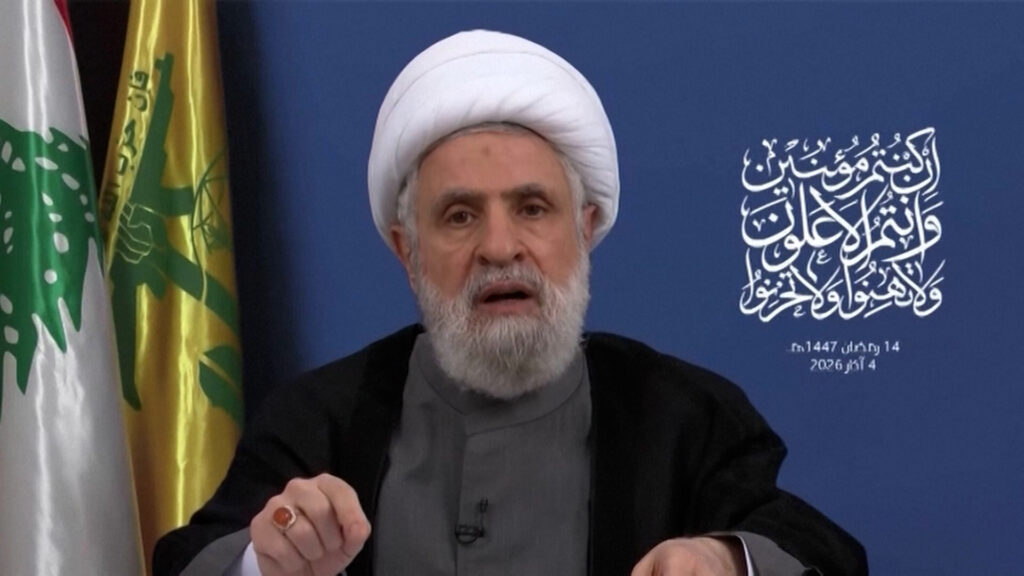
Hezbollah leader Naim Qassem has made a resolute pledge to continue the group’s fight against Israel amid ongoing tensions and bombings. The statement comes as Israel continues its military operations in Lebanon, intensifying the conflict between the two parties. Qassem’s vow highlights the group’s unwavering commitment to resist Israeli actions, which it views as aggression against Lebanese territory.
The situation has escalated in recent weeks, with Israel reportedly conducting targeted airstrikes in various parts of Lebanon, aiming to weaken Hezbollah’s operational capabilities. In response, Hezbollah has maintained its position, declaring that it will persist in confronting Israeli forces and defending Lebanese sovereignty.
Naim Qassem, as the deputy leader of Hezbollah, is a significant figure in shaping the group’s policies and strategies. His proclamation is seen as a message not only to Israel but also to Hezbollah supporters and regional allies, emphasizing the group’s readiness for continued struggle.
The ongoing conflict between Hezbollah and Israel reflects long-standing hostilities rooted in political, territorial, and ideological disputes. Hezbollah, a Shiite militant group and political party based in Lebanon, has frequently engaged in military confrontations with Israel since its foundation.
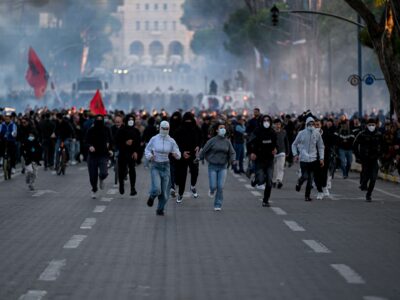
Lebanese civilians have borne the brunt of the violence, as bombardments and retaliations have led to casualties, damage to infrastructure, and displacement. International organizations have called for restraint and a return to diplomatic efforts to prevent further escalation and humanitarian crises.
Despite multiple attempts at ceasefires and negotiations, the cycle of violence between Hezbollah and Israel remains unresolved. Qassem’s pledge underscores the intractable nature of this conflict and the deep-seated animosities that fuel it.
Regional and global powers continue to monitor the situation closely, with some advocating for peaceful resolution and others supporting their respective allies. The complexity of the Lebanese-Israeli dynamics, intertwined with broader Middle Eastern geopolitics, poses a significant challenge to achieving enduring peace.
As the situation develops, the international community watches with concern the potential for wider regional instability stemming from the sustained confrontations. Hezbollah’s declaration to persist in its fight marks a critical point in this ongoing saga, signaling that the conflict is far from over and that the prospects for peace remain uncertain.
In summary, Hezbollah leader Naim Qassem’s pledge to continue fighting against Israel amid ongoing military bombings in Lebanon reaffirms the group’s steadfast opposition to Israeli operations. The enduring conflict continues to impact the region profoundly, with significant humanitarian and geopolitical consequences.