In a significant escalation of regional tensions, Iran has intensified its military operations targeting Kurdish armed groups based in Iraq, while simultaneously initiating a new wave of attacks against Israel. This dual-front strategy reflects Tehran’s ongoing efforts to assert its influence and suppress opposition forces in the broader Middle East.
Over the past few days, Iranian Kurdish armed groups have reportedly engaged in consultations with United States officials to discuss the potential for coordinated actions against Iran. These talks indicate growing unrest and the possibility of increased insurgent activity within Iran’s borders, fueled by Kurdish factions seeking greater autonomy or resistance against Tehran’s regime.
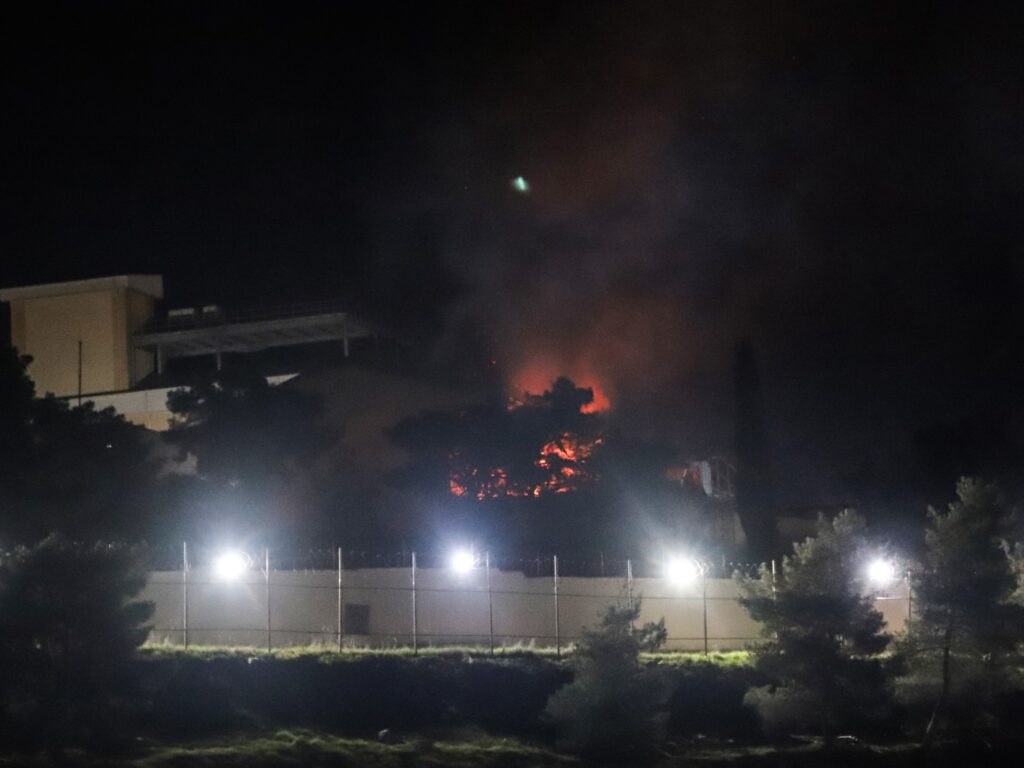
The Iranian government has long perceived Kurdish armed groups operating in Iraq as a threat to its sovereignty and internal stability. Tehran accuses these groups of harboring separatist ambitions and collaborating with foreign powers to undermine the Islamic Republic. In response, Iranian forces have conducted a series of cross-border operations aimed at dismantling Kurdish militant bases and disrupting their supply lines.
Simultaneously, Iran’s recent wave of attacks against Israel marks a continuation of its hostile posture towards the Jewish state. These attacks, reportedly involving missile strikes and drone deployments, are believed to be orchestrated or supported by Iranian-backed militias operating in Syria and Lebanon. The escalation coincides with heightened diplomatic tensions and ongoing conflicts in the region.
International observers warn that these developments could spark broader instability. The cross-border clashes with Kurdish groups risk drawing Iraq further into regional conflicts, complicating its domestic security situation. Meanwhile, Iran’s aggressive actions towards Israel threaten to reignite conflicts that have long destabilized the Middle East.
The US, having strategic interests in the region, is closely monitoring these developments. Its consultations with Iranian Kurdish groups reveal a delicate balancing act, as Washington seeks to counter Iranian influence without escalating military confrontation. The emerging alliance between Kurdish factions and the US could alter power dynamics, potentially impacting Iran’s internal security.
Regional allies and global powers alike are calling for restraint and dialogue to prevent further escalation. The situation underscores the fragile nature of Middle Eastern geopolitics, where ethnic, national, and ideological disputes intertwine with global strategic interests.
As Iran pursues its aggressive policies on multiple fronts, the potential for larger conflict remains a significant concern. The international community urges all parties to seek diplomatic solutions to avoid a widening crisis that could have far-reaching consequences for peace and stability in the region.