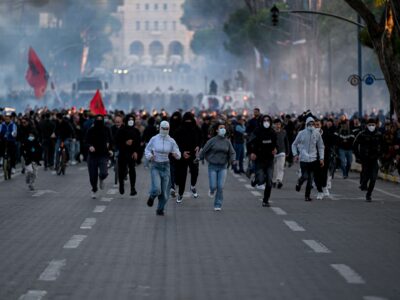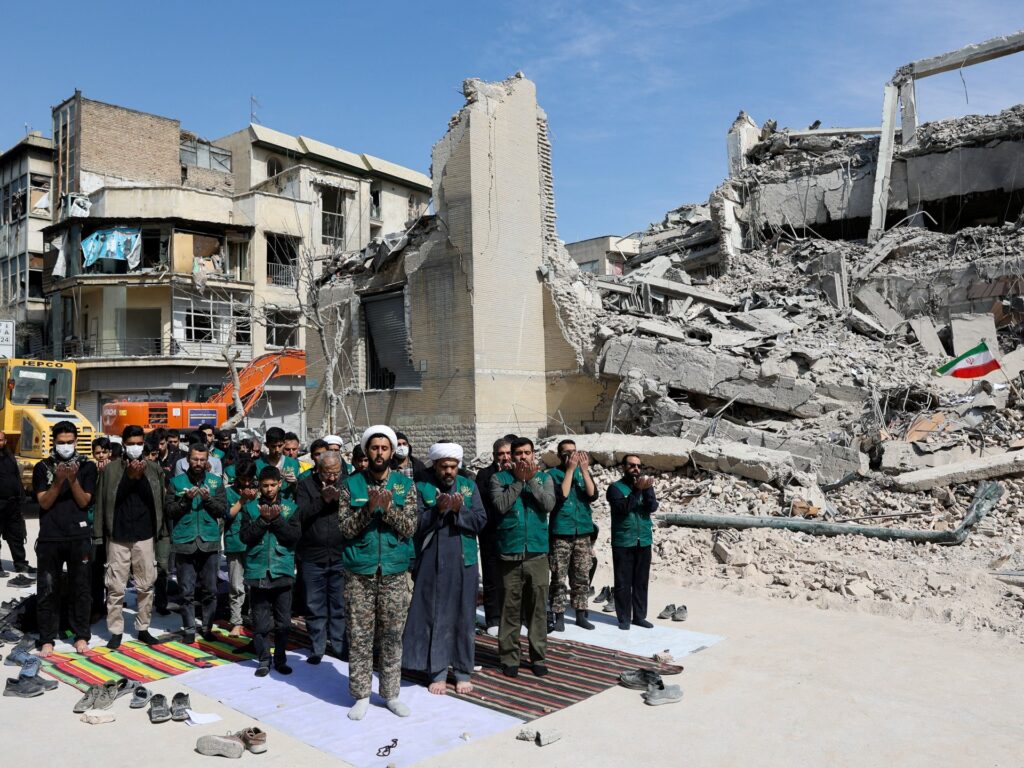
In a significant escalation of military tensions in the Middle East, Tehran experienced a series of explosions as US and Israeli forces launched attacks on various targets across Iran. The strikes represent a notable intensification in the ongoing conflict, with Israeli forces also continuing offensive operations in Lebanon. The widened scope of these hostilities has sent shockwaves through global energy markets, causing prices to surge sharply.
The coordinated attacks by US and Israeli forces mark a stark escalation that could destabilize the already volatile regional security landscape. Tehran, the capital city of Iran, reported multiple explosions early today, signaling direct assaults on critical infrastructure or military installations. Iranian sources have not yet disclosed the full extent of damage or casualties, but the incidents have heightened apprehensions of an expanding conflict.
Alongside the strikes in Iran, Israeli military operations in Lebanon continue relentlessly. Hezbollah, the Lebanese militant group allied with Iran, has been targeted in these strikes, aiming to suppress their operations and capabilities near Israel’s northern border. The reciprocal assaults have led to increasing violence in the region, raising concerns among international observers about the potential for a broader military confrontation.
The escalation has had immediate repercussions on global oil and energy markets. Commodities traders reacted swiftly to the heightened uncertainty in a region that supplies a significant portion of the world’s crude oil. As a result, energy prices have spiked, reflecting fears of disrupted supply chains and prolonged conflict, which could destabilize energy availability worldwide.
Political analysts warn that ongoing military actions could further inflame tensions between the involved nations. The historic rivalry between Iran and Israel, coupled with the involvement of the United States, underscores the complexity of the conflict. The international community is watching closely, with calls for diplomatic engagement to prevent unchecked escalation.
For civilians in the affected regions, the immediate consequences are dire, with risks of collateral damage and displacement rising amid the bombardments. Humanitarian organizations are preparing responses to assist those impacted by the conflict.
As the situation develops, monitoring of the military activities, diplomatic responses, and economic impacts will be critical. The events underscore the fragile nature of peace in the Middle East and the global repercussions that regional conflicts can induce.
In summary, the recent explosions in Tehran amid ongoing attacks by US and Israeli forces represent a serious escalation of hostilities. The continued strikes in Lebanon compound the volatile security environment, while surging energy prices highlight the worldwide implications. International efforts to de-escalate the crisis and seek peaceful resolutions remain imperative as the situation unfolds.