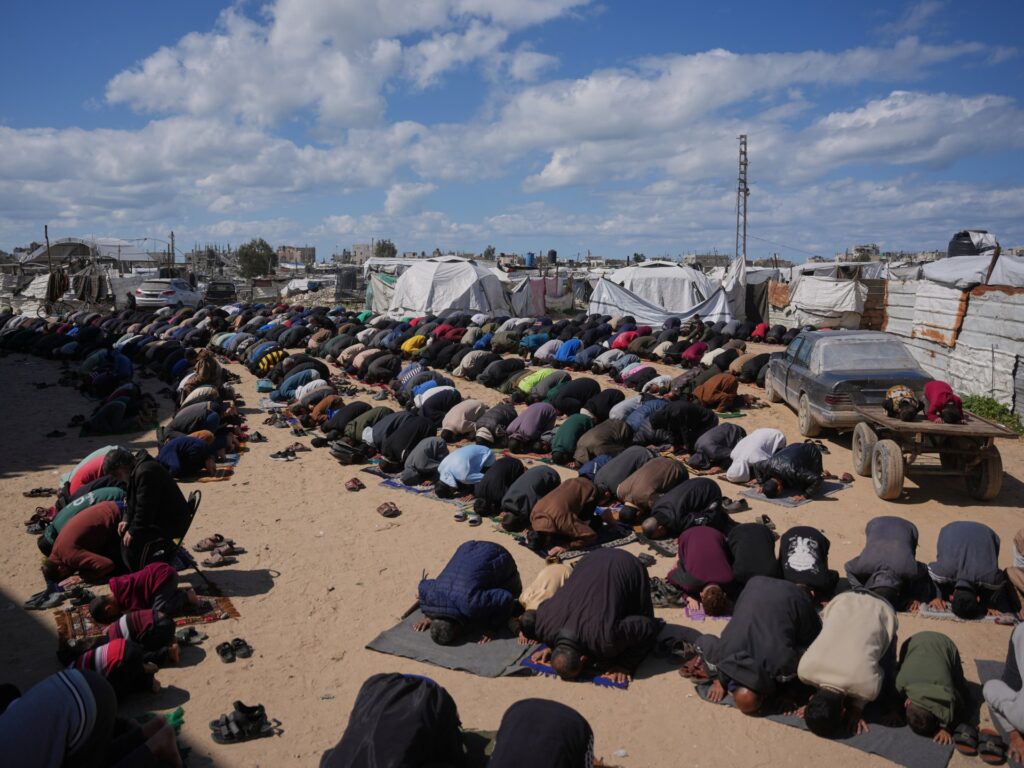
In the escalating conflict involving Israel and Iran, Israel has imposed a tighter siege on the Gaza Strip, significantly restricting the movement of goods and people. This development comes amid heightened tensions and hostilities, with Israel closing Gaza crossings that are vital lifelines for civilians residing in the territory.
The closure of these crossings particularly affects the availability of essential supplies, including food, medicine, and fuel, raising alarms among humanitarian organizations about the possibility of an emerging famine. The Gaza Strip, already grappling with economic hardship and infrastructure challenges, now faces increased isolation.
Tareq Abu Azzoum provides an in-depth analysis of the situation, highlighting the severe humanitarian consequences of the siege. He emphasizes that the closure of borders not only restricts the inflow of crucial aid but also disrupts the lives of countless Gazans who depend on cross-border commerce for their livelihoods.
The broader conflict with Iran has intensified the security concerns of Israel, which justifies the tightened restrictions as necessary measures to prevent weapons smuggling and militant movements. However, critics argue that the collective impact on the civilian population in Gaza risks exacerbating an already dire humanitarian crisis.
International bodies and human rights organizations have urged all parties to ensure the protection of civilians and maintain access to humanitarian aid. They warn that prolonged siege conditions could lead to widespread shortages and increased suffering.
As the conflict continues to evolve, the future of Gaza remains uncertain. The balance between security concerns and human rights remains a critical challenge for Israel and the international community. Stakeholders call for urgent diplomatic efforts to alleviate the blockade and address the root causes of the conflict for sustainable peace.
In the meantime, Gazans endure the brunt of the siege, with communities bracing for the consequences of restricted access to food and medical supplies. The international community watches closely, hoping for a de-escalation and a return to dialogue.
This situation underscores the complex dynamics of Middle Eastern geopolitics, where regional conflicts often intertwine with local humanitarian issues. The tightened siege on Gaza amid the Israel-Iran conflict is a stark reminder of the urgent need for comprehensive conflict resolution strategies that prioritize human welfare alongside national security.
Tareq Abu Azzoum’s report calls attention to the critical need for immediate humanitarian intervention and the restoration of essential services in Gaza to prevent a catastrophic famine.
As developments unfold, the global community remains vigilant, urging restraint from all sides to avoid further deterioration of the humanitarian situation in Gaza.