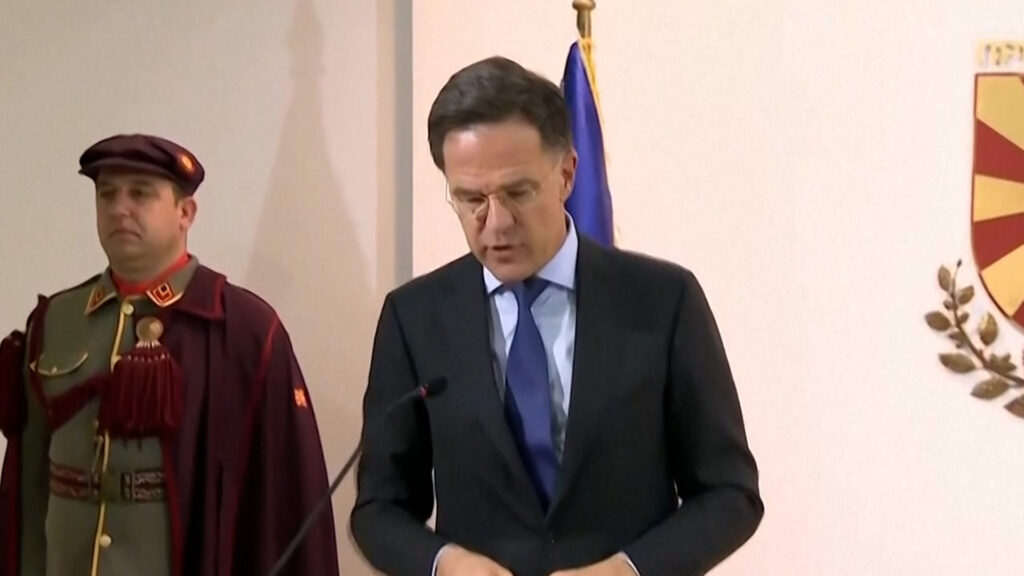
In a rare and notable statement, NATO Chief Mark Rutte expressed that the global community is “better off” following the death of Iran’s Supreme Leader. This declaration underscores the significance of the Iranian leader’s role on the international stage and reflects the geopolitical implications tied to his passing.
Mark Rutte, serving as the NATO Chief, articulated that the Supreme Leader of Iran had been a pivotal figure whose policies and decisions have considerably influenced regional stability and global diplomatic relations. The statement signals a potential shift in the geopolitical landscape following the leader’s demise.
This development could usher in new dynamics within the Middle East, an area that has long been under scrutiny due to tensions involving Iran, its nuclear ambitions, and its influence on regional conflicts. NATO’s position highlights the collective concern of Western alliances about Iran’s previous leadership and the hope for renewed approaches to international diplomacy.
Rutte’s commentary also evokes reactions from various global powers, each assessing how this change in Iran’s leadership might affect international alliances, security matters, and economic relations. Speculation surrounds who will succeed the Supreme Leader and how the new leadership might shape Iran’s foreign policy and domestic governance.
The NATO Chief’s positive outlook on this event resonates with nations advocating for reduced aggression and increased cooperation in the region. It opens discussions about potential reforms within Iran and opportunities for dialogue between Iran and the West.
However, the situation remains complex. Leadership changes can also trigger instability and unpredictability, possibly escalating conflicts or power struggles both within Iran and across the region. NATO’s announcement, therefore, is part of a cautious optimism rather than an unequivocal endorsement of future outcomes.
As the world watches closely, efforts from NATO and allied nations are expected to focus on ensuring that this transition leads to peace and stability, minimizing risks of further conflict and fostering constructive international relations.
In summary, NATO Chief Mark Rutte’s statement welcoming the death of Iran’s Supreme Leader marks a major turn in international perceptions of Iran’s future. It reflects hopes for a safer, more stable Middle East, while acknowledging the challenges that lie ahead in a region prone to volatility. The global community remains vigilant, ready to engage with Iran’s evolving political scene with a mixture of cautious hope and strategic interest.