In a significant escalation of tensions in the region, Israel has launched strikes on Beirut, targeting the southern suburbs of the Lebanese capital. The attacks come as Israeli troops advance further into southern Lebanon, marking a serious development in the ongoing conflict.
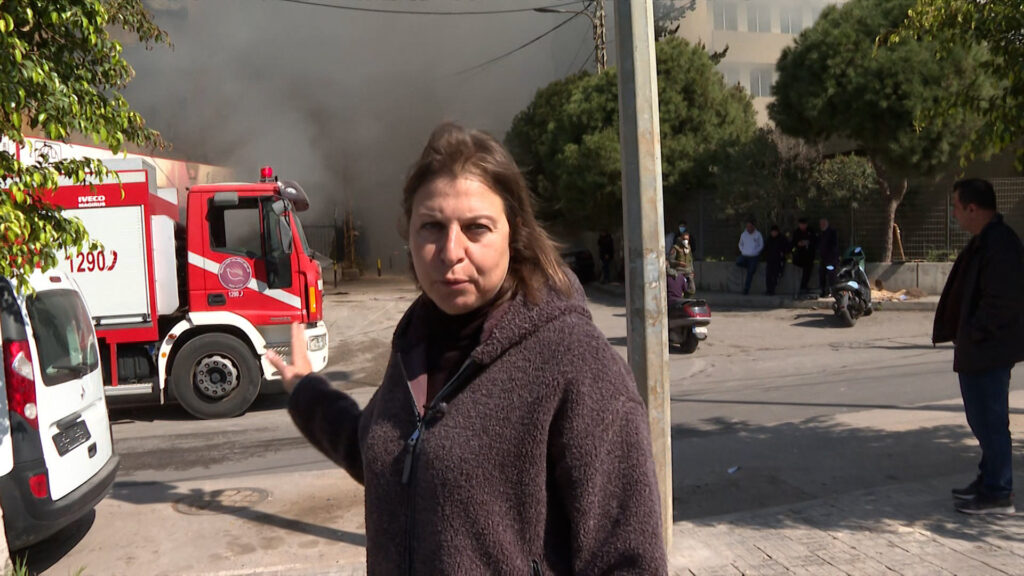
According to reports from Al Jazeera’s correspondent Zeina Khodr, who is on-site at the location of the Israeli attack in Beirut’s southern suburbs, the situation remains volatile with active military operations underway. The strikes have caused considerable damage to infrastructure in the targeted areas.
The southern suburbs of Beirut, known for being densely populated and a stronghold for various militant groups, have been a focal point in the conflict between Israel and Lebanese factions. This latest surge in violence follows weeks of rising tensions and sporadic clashes across the border.
Israeli officials have stated that their operations are aimed at weakening militant capabilities and preventing attacks on Israeli territory. The advancement of troops into southern Lebanon further demonstrates Israel’s strategic intent to secure its northern front.
The Lebanese government has condemned the strikes, calling them a violation of sovereignty and a threat to regional stability. Meanwhile, the international community is closely monitoring the situation, urging both sides to exercise restraint and seek a peaceful resolution.
Local residents in Beirut’s southern suburbs have reported significant distress, with many seeking shelter as air raid sirens blared and explosions rocked the area. Emergency services are working to assist the injured and manage the aftermath of the strikes.
Humanitarian organizations have voiced concern over the impact of the military actions on civilians, highlighting the risk of a broader humanitarian crisis if the violence continues to escalate.
This development marks one of the most intense periods of conflict between Israel and Lebanon in recent times, with potential implications for broader regional dynamics. Analysts warn that prolonged engagement could lead to further destabilization and increased involvement of other regional actors.
As the situation unfolds, international diplomatic efforts are being intensified to de-escalate tensions and restore calm. The coming days will be critical in determining the direction of this conflict and the prospects for peace in the region.