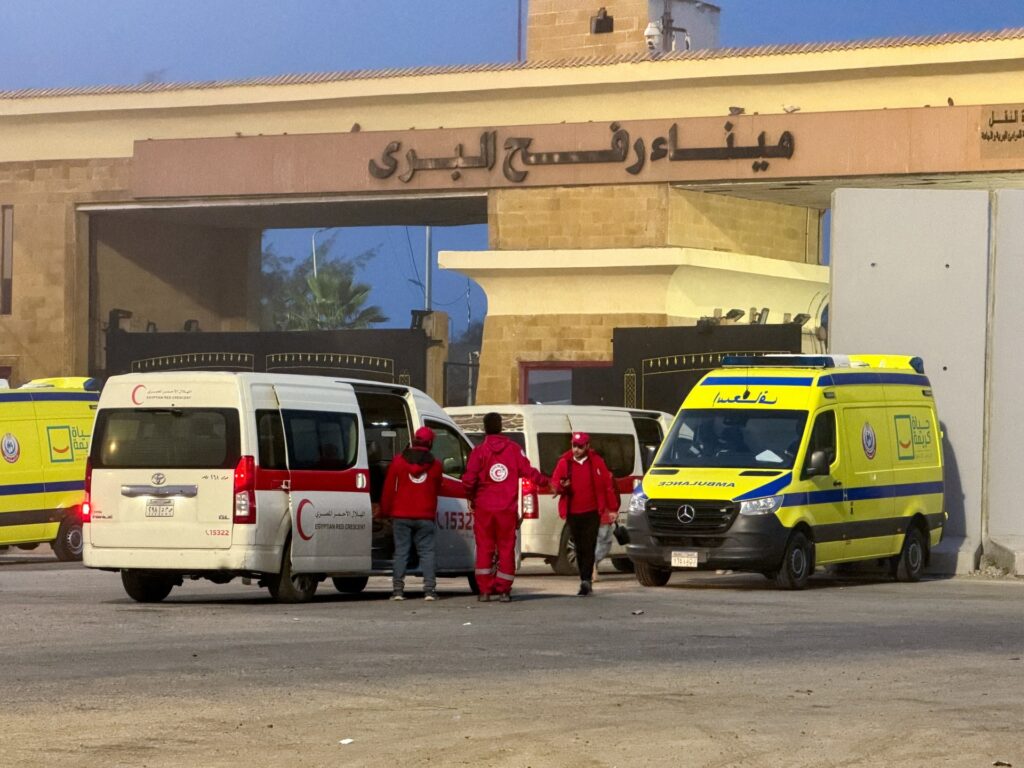
The United Nations chief has issued a grave warning regarding the escalating humanitarian crisis in Gaza, which is being exacerbated by ongoing conflicts involving Israel and Iran. The crisis has intensified following the closure of crucial crossings into Gaza since Saturday, effectively cutting off the flow of essential humanitarian aid to the displaced population within the region.
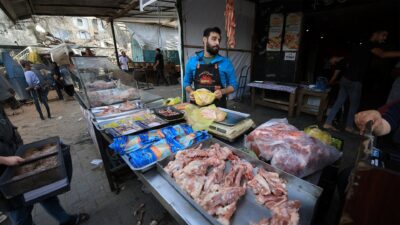
Gaza, already burdened by conflict and limited resources, now faces an unprecedented deprivation of necessities such as food, medical supplies, and shelter materials. The UN Secretary-General highlighted that the blockade of these crossings has led to a dire situation where civilians are increasingly vulnerable and dependent on international humanitarian assistance.
The war tensions between Israel and Iran have complicated relief efforts, leading to heightened instability in the region. The UN official stressed the urgent need for all parties involved to facilitate access for humanitarian aid agencies to deliver assistance swiftly and without obstruction.
Human rights organizations have echoed the UN’s concerns, emphasizing that the current blockade constitutes a significant threat to civilian lives and violates international humanitarian law. They call for immediate international intervention to prevent further deterioration of the situation.
The displaced population within Gaza is growing as ongoing hostilities force families to flee their homes, seeking refuge in overcrowded shelters with minimal provisions. Medical facilities are overwhelmed, struggling to treat injuries while contending with shortages of critical supplies.
Diplomatic efforts are underway to negotiate the reopening of crossings to allow aid and evacuation of vulnerable persons. However, the complex geopolitical dynamics between Israel and Iran continue to hamper progress.
UN agencies, including the World Food Programme and the International Committee of the Red Cross, have appealed for increased funding and logistical support to address the mounting humanitarian needs.
Experts warn that prolonged closure of access points will lead to a deeper crisis, potentially spiraling into widespread famine and unbearable public health emergencies.
Calls for a ceasefire have gained momentum globally, with international leaders urging immediate cessation of hostilities to allow for humanitarian corridors to operate effectively.
The UN Secretary-General reiterated the critical importance of protecting civilians and ensuring their rights to life, health, and dignity amid the ongoing conflict.
In conclusion, the situation in Gaza underscores the urgent necessity for coordinated international action to alleviate the humanitarian disaster fueled by the intersection of regional tensions involving Israel and Iran. Without prompt intervention and reopening of aid routes, the crisis risks catastrophic consequences for the civilian population.