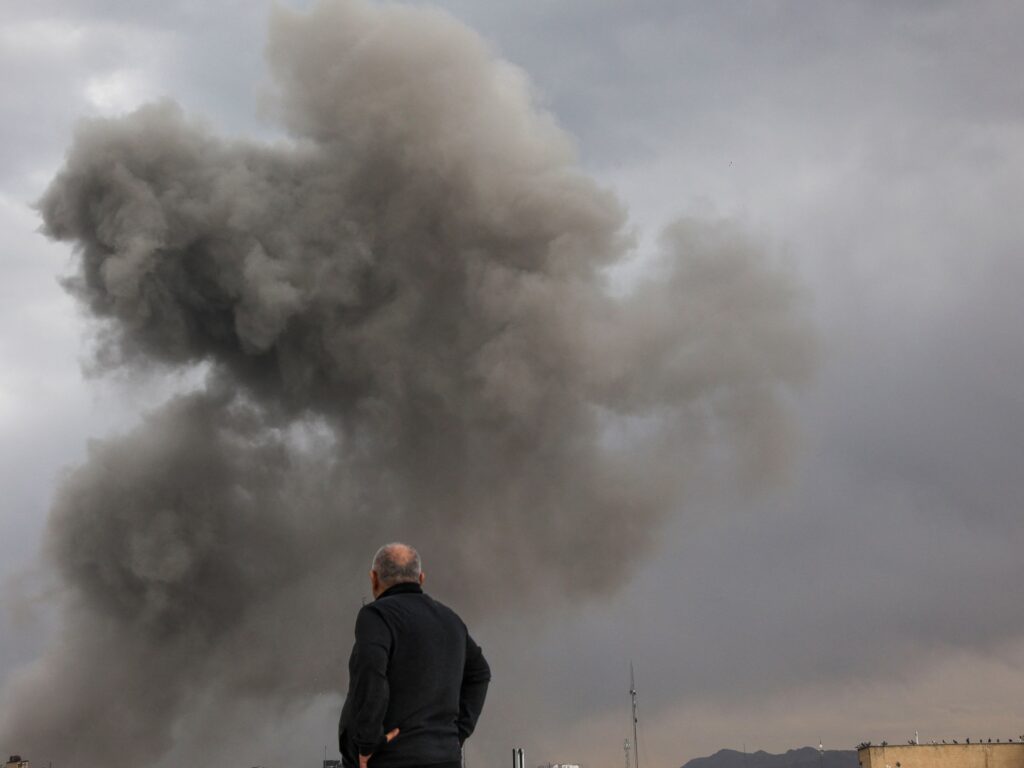
In a significant escalation of hostilities in the Middle East, Iran has launched a series of strikes targeting energy infrastructure across the Gulf region. This comes amid reports of a coordinated attack by the US and Israel against Iranian facilities, marking one of the most severe conflicts in recent years.
The Islamic Revolutionary Guard Corps (IRGC) of Iran has officially announced the closure of the Strait of Hormuz, a vital chokepoint through which a significant portion of global oil shipments pass. This move has sent shockwaves through international markets, raising concerns about potential disruptions to global energy supplies.
Amid these tensions, an Iranian missile or drone attack reportedly struck the US Embassy in Riyadh, Saudi Arabia. The attack on the embassy, a critical diplomatic hub, signifies the widening geographic scope of the conflict beyond the borders of Iran and the Gulf.
The closure of the Strait of Hormuz effectively blocks one of the world’s most important maritime passages, exacerbating fears of a broader regional conflict. Naval and air operations have been intensified by Iranian forces to control the waterway, ensuring no passage for foreign vessels without Iranian consent.
Energy infrastructure across the Gulf has been a primary target, indicating Iran’s strategic intent to leverage its geographical advantage. Oil refineries and pipelines in several Gulf countries have suffered damages, leading to temporary shutdowns and heightened alert among regional forces.
The US and Israel have not officially confirmed their involvement in the alleged coordinated attack on Iranian targets; however, anonymous sources suggest joint intelligence operations preceded the strikes. These developments have sparked urgent diplomatic talks among Gulf Cooperation Council (GCC) members and Western allies to de-escalate tensions.
The international community is closely monitoring the situation, with calls for restraint coming from the United Nations and several world leaders. The potential for the conflict to disrupt global oil markets and escalate into a wider war has raised alarm among economic and political analysts worldwide.
Meanwhile, the citizens in the Gulf region face growing uncertainty, with disruptions to energy supplies and heightened military presence. The security of key oil export routes is now a top priority for affected nations, as they brace for the possible economic fallout from prolonged hostilities.
As the situation unfolds, experts warn that any significant interruption in the Strait of Hormuz could lead to sharp spikes in global oil prices, further destabilizing economies already grappling with inflation and supply chain issues.
The developments underscore the fragile balance of power in the Middle East, where geopolitical rivalries often translate into direct confrontations. The US-Israel strike on Iran and subsequent Iranian retaliation through the closure of the Hormuz Strait mark a dangerous escalation with uncertain consequences for regional and global stability.
Diplomatic efforts continue behind the scenes to broker a ceasefire and avert a prolonged conflict. The world watches anxiously as the situation remains fluid and prone to rapid changes that could reshape the geopolitical landscape of the Gulf and beyond.