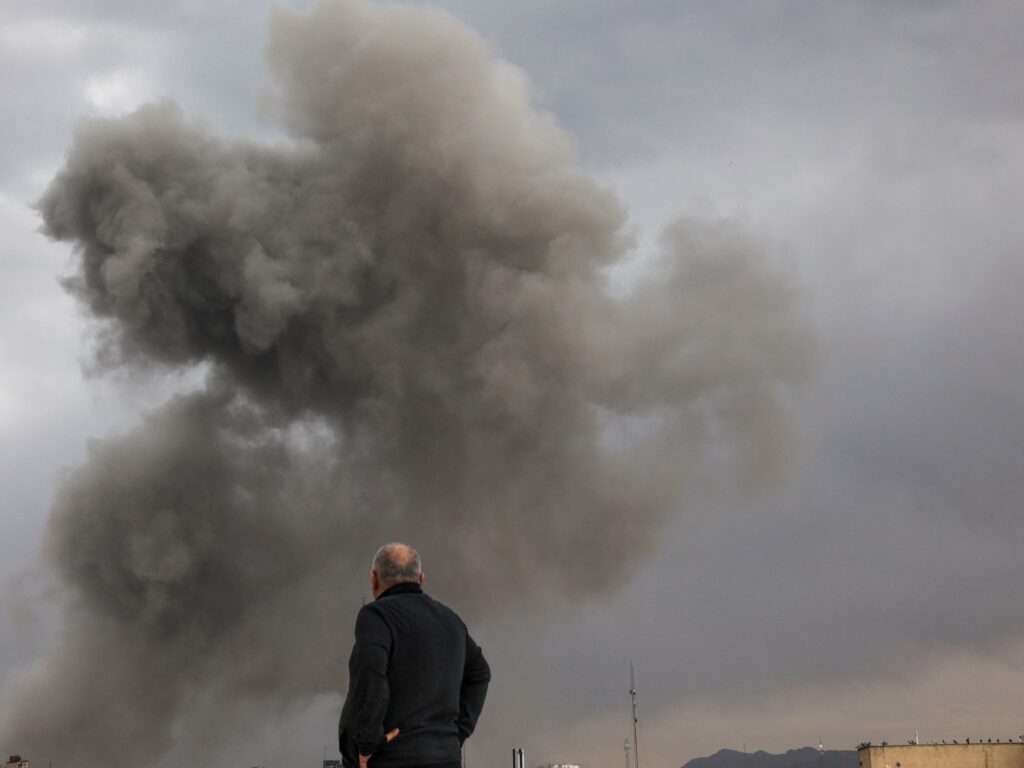
In a dramatic escalation of tensions across the Gulf region, Iran has launched attacks targeting energy infrastructure and has announced the closure of the strategic Strait of Hormuz. The Islamic Revolutionary Guard Corps (IRGC) of Iran declared the closure, a move that poses significant implications for global oil shipments given the Strait’s critical role as a transit point for a large percentage of the world’s petroleum.
Concurrently, an attack has been reported on the US embassy located in Riyadh, Saudi Arabia. Although details about the extent of damage or casualties have not been fully disclosed, these actions indicate a rapidly deteriorating geopolitical situation in the Middle East.
The IRGC has strategically targeted energy infrastructure throughout the Gulf, disrupting power supplies and potentially affecting oil production capabilities. These attacks have heightened fears of further instability in a region that is already fraught with longstanding political rivalries and conflict.
The closure of the Strait of Hormuz is particularly alarming for international markets. The narrow waterway between the Persian Gulf and the Gulf of Oman is one of the world’s most important oil chokepoints. Approximately 20% of global petroleum passes through this passage, meaning its closure could lead to significant spikes in oil prices and reverberate throughout the global economy.
In response to these developments, international actors including the United States, European Union, and regional Gulf Cooperation Council states are likely to convene emergency discussions to address the crisis. Diplomatic efforts may focus on de-escalating tensions and ensuring the security of maritime navigation and energy supply chains.
Historically, the Strait of Hormuz has been a flashpoint for conflict, with previous incidents involving threats to close the passage or actual disruptions to maritime traffic. Iran’s new announcement marks a serious escalation in this ongoing struggle for influence and control in the region.
The attack on the US embassy reinforces the perception of rising hostilities between Iran and its adversaries, particularly those aligned with Riyadh and Washington. It also raises concerns about the potential for broader regional conflict.
This situation is unfolding with great fluidity, and updates will continue to emerge as more information becomes available. The international community watches closely, aware that the repercussions of Iran’s actions could extend far beyond the Gulf region.
Energy markets, diplomatic corridors, and regional security strategists are all bracing for what may come next, as the closure of the Strait of Hormuz and targeted attacks signify a critical juncture in Middle Eastern geopolitics. The world awaits a peaceful resolution amid mounting fears of conflict escalation.