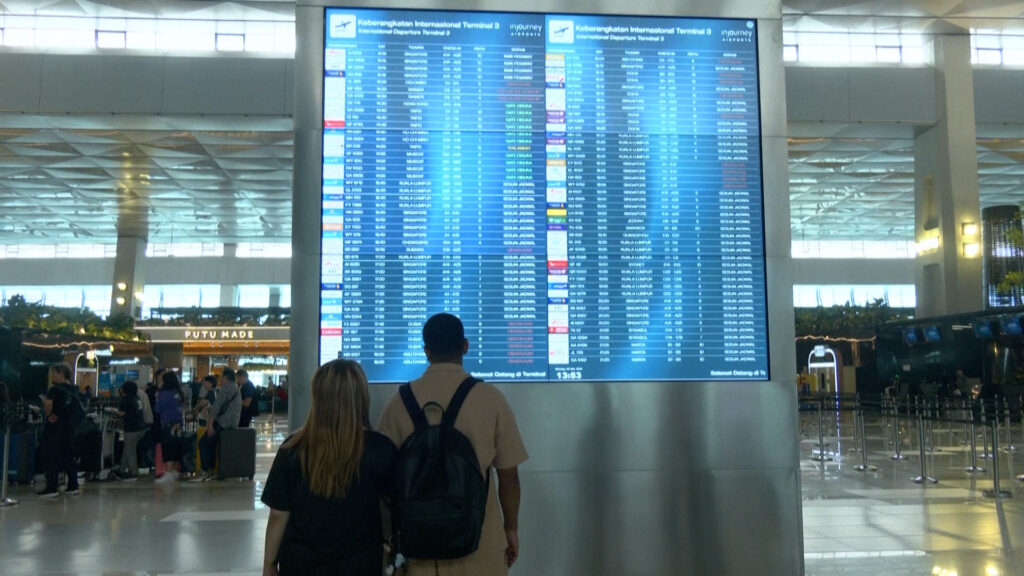
A significant disruption struck the aviation industry as thousands of flights were cancelled due to the sudden shutdown of airspace across much of the Middle East. This unexpected closure has led to widespread chaos and left thousands of passengers stranded at airports.
The closure of the airspace, a critical corridor for international air travel connecting the East and West, comes as a huge blow to airlines and travelers alike. Airlines were forced to cancel flights or reroute them through longer, less direct paths, causing severe delays and logistical challenges.
Passengers at airports in key regional hubs reported long lines, confusion, and frustration as airlines scrambled to manage the cancellations and rebooking processes. Many travelers who were in transit or scheduled to fly through the affected airspace found themselves stuck indefinitely, with limited information and assistance available at certain points.
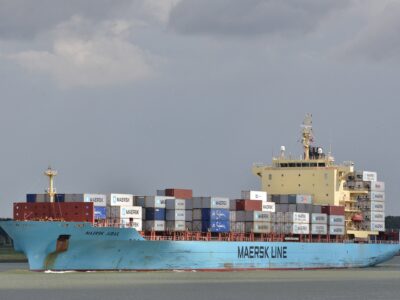
The shutdown impacted major airlines operating in the region, particularly those connecting Europe, Asia, and Africa. This blockage of air routes disrupted not only passenger travel but also cargo shipments, potentially affecting supply chains and business operations worldwide.
Authorities have not yet provided a clear timeline for when the airspace will reopen, citing safety and security concerns as the primary reasons for the shutdown. Analysts speculate that geopolitical tensions or security threats could be the underlying cause.
Airlines are urging passengers to check with their carriers for the latest travel updates and to expect further disruptions in the coming days. Some carriers have started offering refunds or alternative travel arrangements to affected customers.
This airspace shutdown underscores the vulnerability of global air travel to regional conflicts and political volatility. The aviation industry faces continuous challenges navigating such disruptions that have widespread ripple effects across continents.
As the situation develops, international diplomatic efforts are likely underway to resolve the issue and restore normal flight operations. Meanwhile, passengers worldwide remain in limbo, hoping for a swift resolution to avoid long-term setbacks to their travel plans.
In summary, the closure of Middle Eastern airspace has triggered a massive upheaval in global aviation, highlighting the interconnected nature of modern air travel and the far-reaching impacts of regional instability on international transportation networks.