On the third day following the confirmation of the killing of Iran’s Supreme Leader, the region continues to grapple with intense and multifaceted military confrontations. The United States and Israel have reportedly escalated their coordinated attacks on Iranian targets, marking a significant intensification in their ongoing conflict with Tehran.
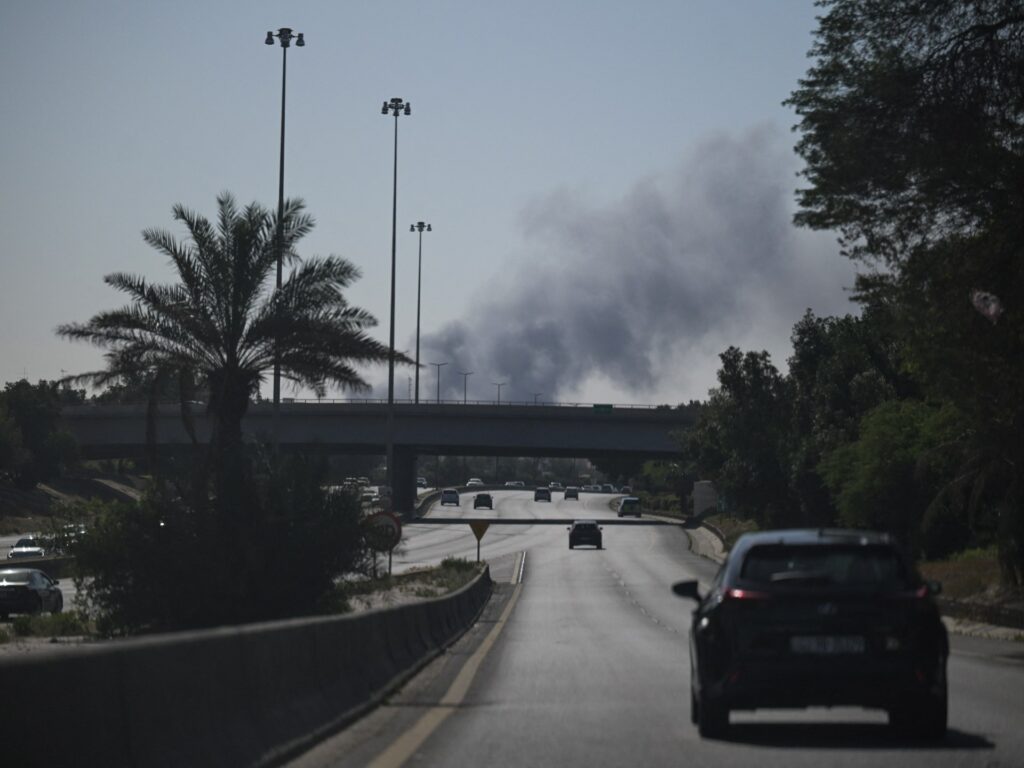
The aftermath of the Supreme Leader’s assassination has unleashed a wave of violence and instability that extends far beyond Iran’s borders. Notably, attacks have been recorded in key locations such as Dubai and Cyprus, signaling a broader regional destabilization. These incidents underscore the complex geopolitical ramifications of the conflict, affecting not only Iran but also neighboring countries and critical hotspots.
In Dubai, the attacks have heightened concerns over security and economic impacts given the city’s status as a major global business hub. The disruption here is indicative of the broader challenges facing the Gulf states amid escalating tensions between Eastern and Western powers.
Cyprus, too, has experienced the spillover effects of the crisis, with strikes reportedly targeting strategic assets and military installations. The proximity of Cyprus to conflict zones makes it a critical point of interest and a potential flashpoint in the larger regional standoff.
The US and Israeli operations appear highly coordinated, suggesting a shared strategic objective to systematically weaken Iran’s military capabilities and infrastructure. These actions are expected to provoke robust responses from Iran and its allied groups, potentially igniting further cycles of retaliation.
Experts warn that the continuation and expansion of such attacks could trigger a wider regional conflict, drawing in various states and non-state actors. The situation remains fluid, with international diplomatic efforts underway to de-escalate tensions and avoid a broader war.
Amidst these developments, civilian populations in affected regions are enduring heightened risks, including casualties, displacement, and economic hardships. International humanitarian organizations are calling for immediate ceasefires and negotiations to address the humanitarian fallout.
The political landscape is also shifting as global powers reassess their alliances and strategies in the Middle East. Reflecting the complexity of the conflict, many countries are advocating for dialogue while preparing for potential security contingencies.
As day three concludes, the international community watches closely, hopeful for diplomatic breakthroughs but bracing for the possibility of an extended and intensified conflict. The full implications of the US-Israeli actions against Iran continue to unfold with significant consequences for regional and global stability.