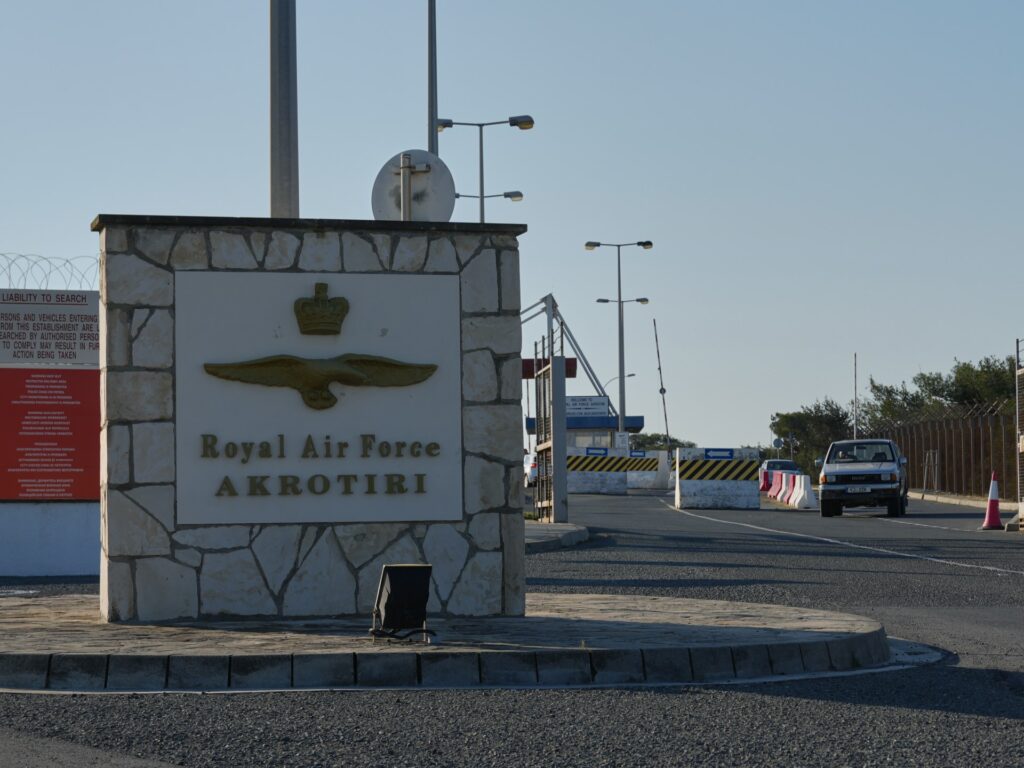
In a significant escalation of regional tensions, a British military base in Cyprus was targeted in a suspected drone attack, marking the first such incident since 1986. The attack has raised concerns about the security of British interests in the Eastern Mediterranean and the increasing use of drone technology to carry out military strikes.
The British military base in Cyprus has been a strategic hub for the United Kingdom, providing vital support for operations in the Middle East and acting as a key intelligence and logistics center. The base’s location in Cyprus, an island nation in the Eastern Mediterranean, has historically been of great geopolitical importance due to its proximity to the Middle East and North Africa.
The suspected drone attack involved unmanned aerial vehicles targeting the military installation, causing damage and prompting a swift security response. Details about casualties or the extent of the damage have not been fully disclosed, but authorities are treating the incident with utmost seriousness.
This event is unprecedented in recent years, as the last recorded strike on a British military base in Cyprus occurred in 1986 during a period of heightened Cold War tensions. The use of drones represents a shift in the nature of attacks, highlighting the increasing prevalence of remote, precision strikes that can be conducted with minimal risk to attackers.
Regional experts suggest that this attack could be linked to ongoing conflicts and rivalries in the Middle East, where various state and non-state actors have increasingly employed drone warfare. The incident also underscores the challenges faced by military forces in protecting critical infrastructure against emerging threats.
The United Kingdom has condemned the attack and vowed to enhance security measures at its overseas bases. British officials are currently investigating the origins of the drones and the perpetrators behind the assault. Diplomatic channels are reportedly active as governments seek to de-escalate the situation and prevent further provocations.
Cyprus itself has faced ongoing security challenges, including tensions between different ethnic communities and the presence of foreign military forces. The island’s strategic position often places it at the center of wider geopolitical struggles.
Analysts warn that the attack could provoke retaliatory actions and increase instability in a region already fraught with conflict. The international community is closely monitoring developments, emphasizing the need for dialogue and restraint.
As drone technology continues to evolve and proliferate, military and security policies will need to adapt to address new vulnerabilities. The British military base in Cyprus may now become a focal point in efforts to develop counter-drone defenses and strategies to secure critical assets.
This incident serves as a stark reminder of the changing landscape of modern warfare, where traditional distinctions between frontlines and safe zones are increasingly blurred. It also illustrates the potential for localized actions to have broader geopolitical repercussions, especially in sensitive regions like the Eastern Mediterranean.
Moving forward, the British government is expected to reassess its defense posture in the region, potentially increasing its military presence and surveillance capabilities. Collaboration with Cypriot authorities and NATO allies will likely be intensified to enhance collective security and intelligence sharing.
The attack also highlights the importance of international cooperation in regulating the use of drones and preventing their misuse by hostile actors. Calls for stronger international frameworks to control drone proliferation are expected to gain momentum.
In summary, the suspected drone attack on the British military base in Cyprus represents a significant development in regional security dynamics. It underscores the growing role of drone technology in modern conflict and the urgent need for adaptive defense strategies to safeguard critical military installations in geopolitically sensitive areas.