The conflict between the US-Israel coalition and Iran has intensified on the second day, marked by a series of significant and alarming developments that have pushed the region to a precarious edge.
1. Retaliatory Attacks by Iran: In response to the initial strikes by US-Israeli forces, Iran launched immediate and forceful retaliatory attacks targeting multiple strategic locations within the region. These attacks signify Tehran’s resolve to respond robustly to external aggression.
2. Assassination of Iran’s Supreme Leader: In a highly unprecedented and destabilizing move, the US and Israel orchestrated an operation leading to the death of Iran’s Supreme Leader. This act has sent shockwaves throughout Iran and the broader Middle East, escalating tensions to new heights.
3. Regional Security Alert: The killing of such a pivotal figure has prompted heightened security measures across neighboring countries and allied territories, fearing further escalations or spillover violence.
4. International Response: Global powers have expressed deep concern over the rapid escalation of hostilities, calling for immediate de-escalation and diplomatic engagement to prevent further destabilization.
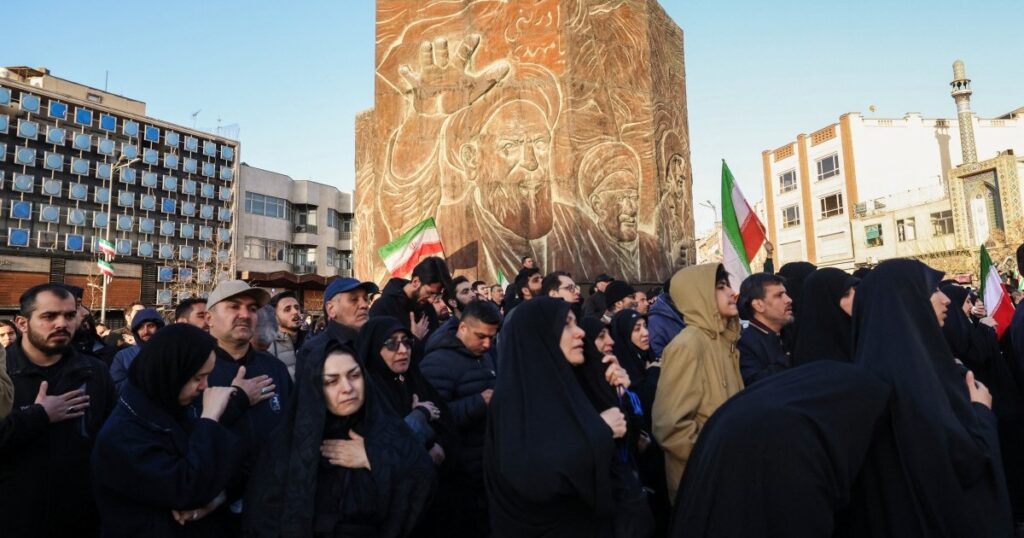
5. Civil Unrest and Protests in Iran: News from inside Iran reports widespread unrest and protests as the populace reacts to the loss of their highest authority and the ongoing conflict.
6. Military Movements: Both US-Israel and Iranian forces have ramped up their military presence and readiness in the region, signaling the potential for further confrontations.
7. Economic Impacts: The conflict’s continuation has started to impact global oil markets, with prices rising due to fears of supply disruptions in one of the world’s most oil-rich regions.
8. Cyber Warfare: Cyber attacks attributed to both sides have increased, targeting critical infrastructure and communication networks, adding a new battlefield to the ongoing conflict.
9. Humanitarian Concerns: Organizations warn of the growing humanitarian crisis as civilian areas are targeted or caught in the crossfire, leading to displacement and shortages of essential supplies.
10. Calls for Negotiation: Despite the aggressive actions, several diplomatic channels remain open, with calls from the international community urging all parties to return to dialogue and cease hostilities.
As the situation remains fluid and dangerous, the world watches closely, aware that the developments of this conflict could have far-reaching consequences for regional and global stability.